Decoding the Black Box: Evaluating and Documenting AI Systems for High School Students
—
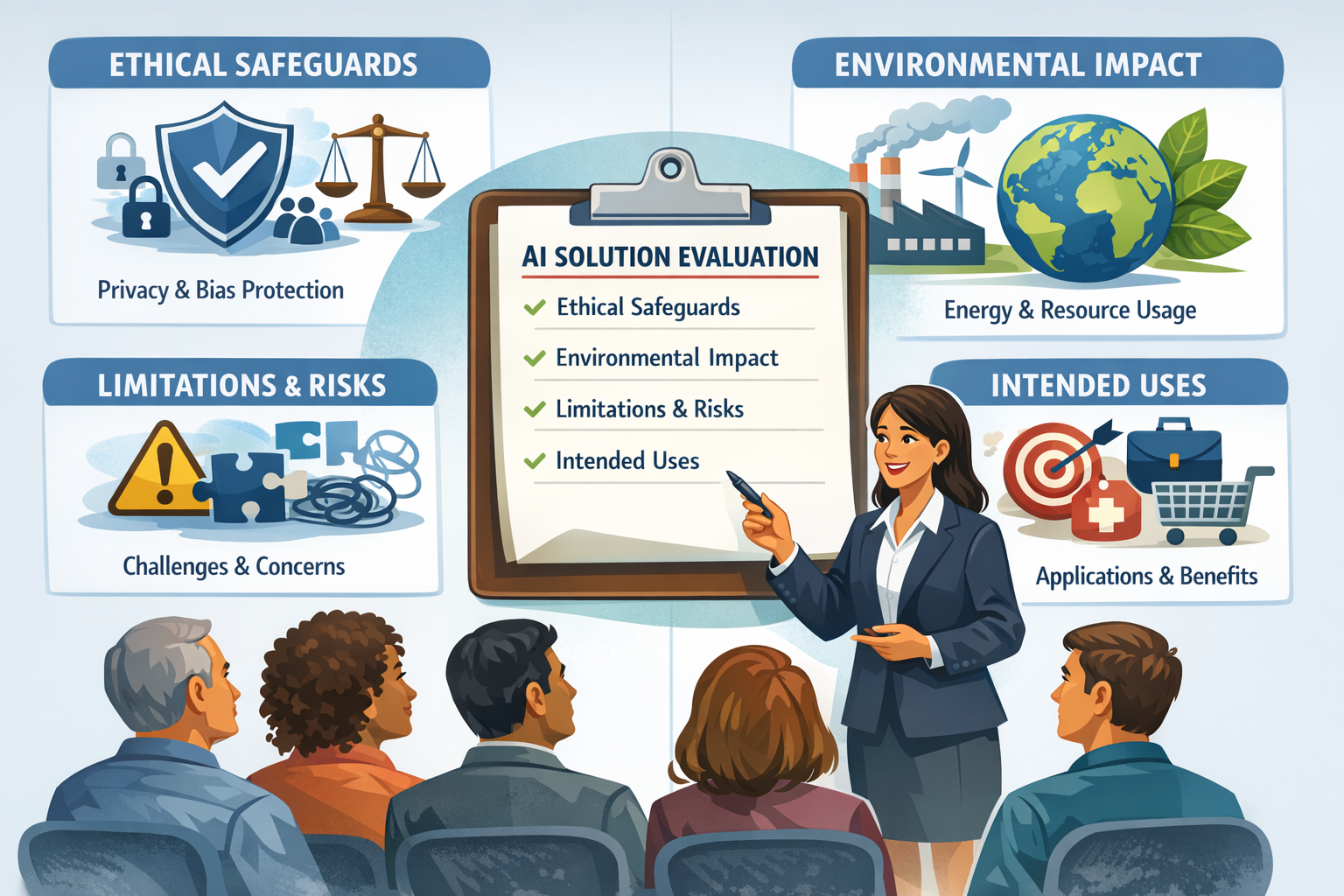
Artificial Intelligence (AI) is rapidly permeating nearly every aspect of modern life, from personalized recommendations on streaming services to complex diagnostic tools in healthcare. But understanding how these systems work – their capabilities, limitations, and intended uses – is crucial for informed decision-making and responsible implementation. Oklahoma’s Academic Standard L1.ET.AI.05 directly addresses this need, requiring students to create and evaluate “model cards” or documentation that unpack the often opaque world of AI. This skill isn’t just about computer science; it’s about fostering critical thinking in a world increasingly shaped by algorithms. The High School Computer Science: AI Solutions Evaluation & Documentation Unit from Teachers Pay Teachers (Resource) provides a robust framework for students to dive deep into this essential skill, equipping them with the tools to become informed consumers and creators of AI technology.
The concept of an “AI model card” is relatively new but gaining traction as a best practice in the field. Think of it like a nutrition label for an AI system – it provides key information about what the AI does, how well it does it, and under what conditions it might falter. Traditionally, many AI systems were treated as “black boxes,” delivering results without much explanation. Model cards force developers (and students!) to articulate the assumptions baked into their algorithms, the data used to train them, and potential biases that could influence outcomes. This documentation is vital for transparency, accountability, and building trust in AI solutions, especially as they are deployed in increasingly impactful areas like loan applications, criminal justice, and medical diagnoses. The High School Computer Science: AI Solutions Evaluation & Documentation Unit helps students move beyond simply using AI to actively analyzing it.
The process of creating a model card begins with defining the AI system’s intended use. What problem is this AI trying to solve? Who are its primary users? Understanding the context is paramount, as it shapes how we evaluate performance and identify potential limitations. For example, an AI designed to detect cats in photos will have different strengths and weaknesses than one designed to predict stock prices. Students using the Teachers Pay Teachers unit learn to consider these nuances, prompting them to think critically about the specific application of each AI solution they investigate. They’ll also begin to understand that “accuracy” isn’t a single metric; it depends on what you are measuring and how you define success within the given context. This is where the unit really shines in helping students move beyond surface-level understanding.
Evaluating an AI system requires looking at several key factors, including its performance metrics (like accuracy, precision, and recall), its training data, and potential biases. The quality of the training data is particularly important – if the data used to train the AI isn’t representative of the real world, the AI may perform poorly on certain groups or in specific situations. For instance, a facial recognition system trained primarily on images of light-skinned faces might struggle to accurately identify people with darker skin tones. The High School Computer Science: AI Solutions Evaluation & Documentation Unit (Resource) provides students with practical exercises and examples to help them identify these biases and understand their implications. Students will learn how to ask the right questions about data sources, training methods, and potential edge cases.
The documentation aspect of L1.ET.AI.05 isn’t just about listing facts; it’s about communicating complex information clearly and concisely. A good model card should be accessible to both technical and non-technical audiences. This requires students to practice their writing skills, using plain language and avoiding jargon whenever possible. They need to explain the AI system’s capabilities in a way that someone unfamiliar with computer science can understand. The Teachers Pay Teachers unit includes templates and examples of effective model cards, providing students with a solid foundation for structuring their own documentation. This focus on communication is crucial; it ensures that AI solutions are not just powerful but also understandable and trustworthy.
Furthermore, the evaluation process isn’t static. As an AI system encounters new data or is used in different contexts, its performance may change. Therefore, model cards should be living documents, updated regularly to reflect the latest findings. This emphasizes the iterative nature of AI development and encourages students to think about how they might continuously improve their documentation over time. The High School Computer Science: AI Solutions Evaluation & Documentation Unit incorporates this idea by having students revisit and refine their model cards throughout the unit, fostering a sense of ongoing learning and improvement. It’s not just about creating a document; it’s about establishing a process for documenting AI systems effectively.
Ultimately, mastering the skills outlined in Oklahoma Academic Standard L1.ET.AI.05 – and beautifully supported by the High School Computer Science: AI Solutions Evaluation & Documentation Unit – prepares students to be more than just users of AI. It empowers them to become critical thinkers, informed consumers, and potentially even future developers who prioritize transparency, accountability, and fairness in the design and implementation of AI systems. In a world increasingly shaped by algorithms, these skills are essential for navigating the complexities of the 21st century and ensuring that AI benefits everyone.
For a full resource on all Oklahoma Academic Standards involving AI: [ Resource ]