What I need is to make my own personal information bank. Over time, I realized I seem to have forgotten more than I currently know. This is done due to information changing, advancing, growing and at times being discarded or inaccurate.
What I should had been doing is creating a personal knowledge system, or bank to keep those precious notes, thoughts and references.
C.S. Lewis stated the following:
I think this is a perfect statement. The time to start is now.
I deal with information all day in my full-time job. Whether it is resolving issues, identifying breakpoints or providing the data in a way where the end-user can use that data toward their role or decision making.
While I am helping others with this provision, I have also been attempting to find better methods in keeping my own notes, daily tasks, repeating procedures and resolutions to past issues.
This tended to be differeing notes spread througout multiple applications, electronic and paper mediums. The challenge would then be, “where did I put that data.”
The goal will be to incorporate all the notes, repeating tasks, break-fix content, into a working personal knowledge bank. I will be using Notion.So for this project, and incorporate my prior experience and content to a functioning personal knowledge bank. Then I can test, review and improve the setup to share among others.
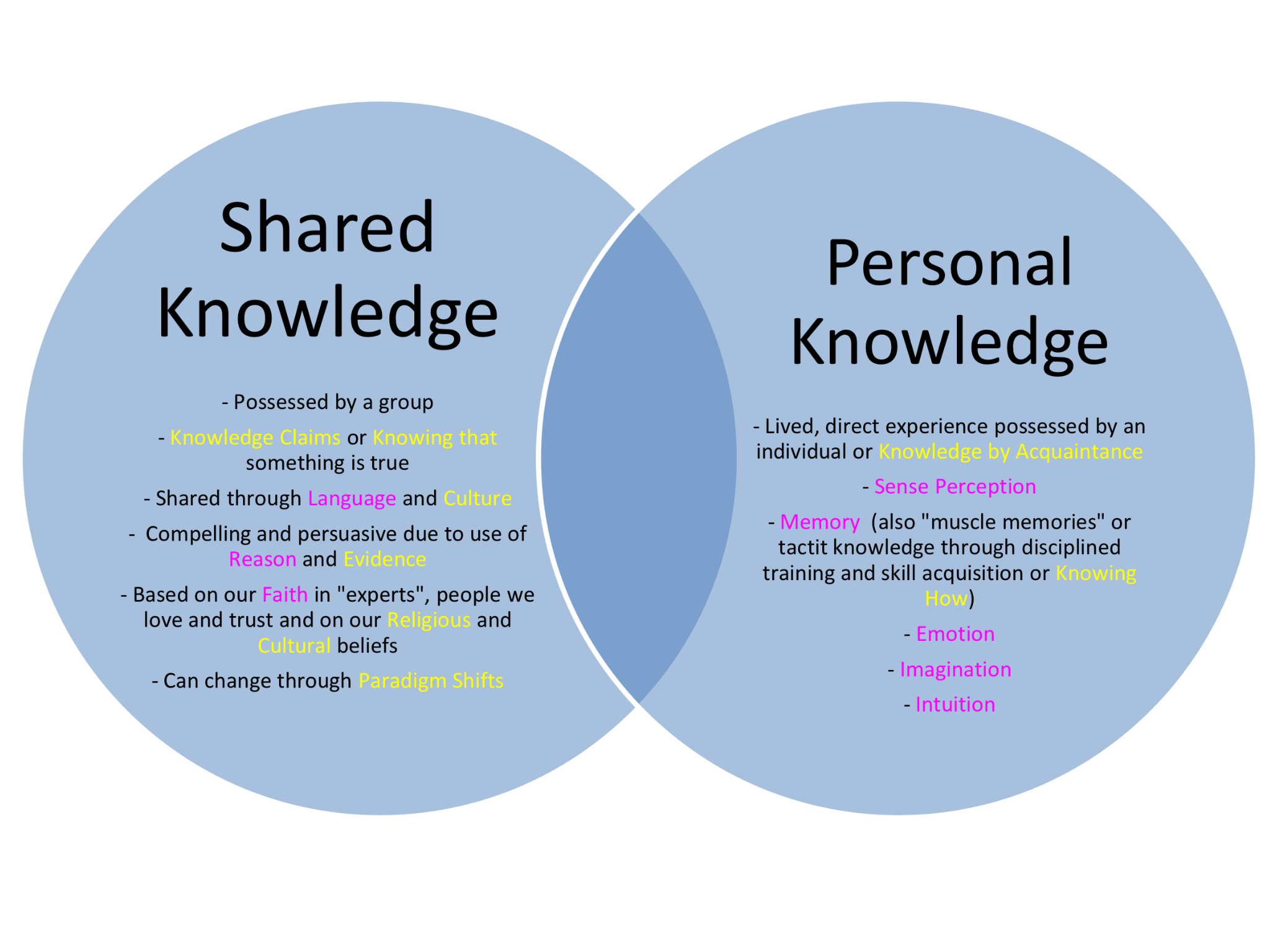
Knowlege is defined as an awareness or familiarity gained by experience of a fact or situation. It is not data, rather the use of data to a degree of understanding, via patterns or contenxtual information.
The purpose is to acquire data then covert it into a meaningful form, which then becomes information. This information is stored in our knowledge bank. Each individual thinks differently. Thus, each individual knowledge bank will differ. However, the core setup should be the same.
The information is stored in tables, categorized by subject or content, providing the individual visual to work in. Part of this process, I will be utilizing the Zettelkasten Method.
This will allow me to build my knowledge bank, in my own words, while having citations for references. I go into some detail on the Zettlekasten Method in this article.
There are technically seven common note-taking methods existing today. I wrote an article titled, “The Power of a Note-Taker” , where I explore three of these.
Depending on the content, a certain method may work best. However, I will be exploring to see if I can reduce this list down for the most eeffective method. These notes will be incorporated into Zettels. A Zettel should only contain one idea per note. It is a form to atomicize. Either compress multiple ideas into a single idea, or you reduce a big idea into multiple specific ideas.
Taking the information through notes, break this down to zettels.
The strategy is to providing the following during the knowledge bank build.
I need to be cautious for this not to be just a copy of existing content. Rather take the content, form it into ideas with my own words, while I build my personal knowledge bank.
I will also be creating new videos, during this build.
Check out my YouTube Channel, and subscribe.
Many colleges are moving to teach Python over other programming languages. The language is versatile, easy to read, and quick. Additionally, it has been named one of the top ten popular programming languages in 2017. In fact eight world class software companies currently utilizing Python are: Industrial Light and Magic Google Facebook Instagram Spotify Quora…
By definition the Zeigarnik effect is the psychological tendency to remember an uncompleted task rather than a completed one or the desire to finish something that is incomplete. It nags at you, till it is done. The idea of unfinished tasks using a significant amount of your mental resources, even when you are not directly…
Kindle Vella is Amazon’s latest initiative that provides a new platform for authors to publish their stories in short serialized installments. It’s an online platform where authors can write and publish stories in small chunks, similar to traditional serial stories that were popular in newspapers in the past. I have started a new project with…
To develop critical thinking skills, it’s important to challenge assumptions. Assumptions are beliefs or ideas that are taken for granted, without being questioned or analyzed. By challenging assumptions, we can gain a deeper understanding of a particular issue, evaluate different perspectives, and identify potential biases or blind spots. Here are some tips for challenging assumptions:…
Open-source refers to software that is available to the public with its source code, or the underlying programming instructions, freely accessible and modifiable by anyone. In contrast to proprietary software, which is owned by a company or individual and restricts access to its source code, open-source software is built and maintained by a community of…
One of the key attributes of a polymath is the ability to practice mindfulness and for cultivating a curious mind. Mindfulness is the practice of being present in the moment, without judgment, and with a heightened awareness of one’s thoughts, feelings, and surroundings. By practicing mindfulness, polymaths can develop their creative and innovative skills, learning…