The Power of a Note-Taker
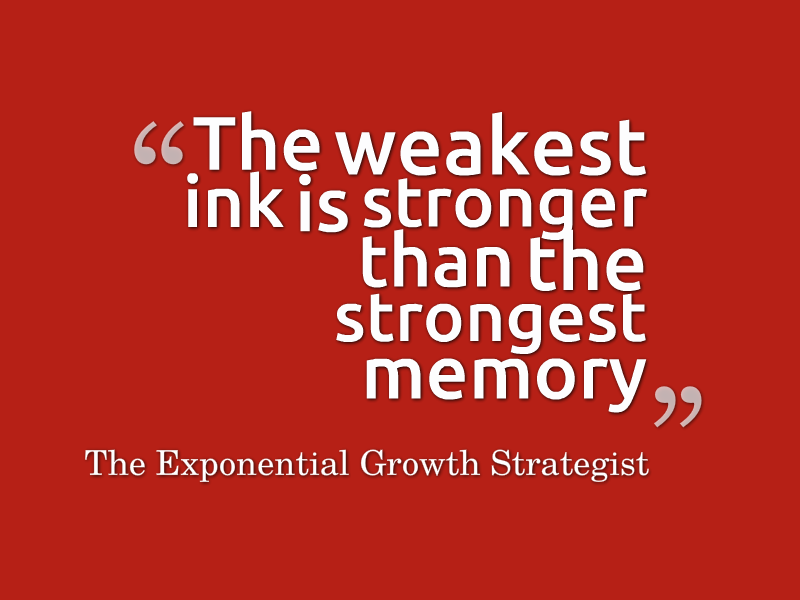
Let’s face it, we cannot recall everything. Sure there are those out there providing methods to memory recall. However, if you learning something new, or have that awesome nugget of information come your way, what better way than write it down for later.

Writing next week’s newsletter, I came across some pretty solid evidence note-taking benefits the person more than, well notes.
Benefits of Note-Taking
- Help you emphasize the key points and get them clear in your own mind.
- Help you engage with the content at a deeper level in a meeting, lecture or event and not lose concentration.
- Help you to make links between related thoughts and ideas.
- Allow you illustrate your notes to suit your personal style and help recall information.
- Help you summarize information.
- Let you make notes of anything you want to understand further or go deeper on at a future date. [Source]
3 Powerful Note-Taking Techniques
Outlining
The above bullets under benefits of note-taking is an example of outlining. Clear bullet points or Roman numerals emphasizing key concepts or facts. Additionally you can create hierarchical relationships through outlining.
Mind-Mapping
This technique emphasizes relationships between ideas or concepts. Headings are replaced by branches. Start in the middle of a blank page and draw out the concepts, using branches as the relationships or connections.
Resources:
FreeMind is a free mind-mapping software that may help.
Free online Mind-Mapping tool.

Cornell System
Draw three lines in your blank paper, having the largest of the three sections for note-taking. The smaller right section is reserved for afterwards, writing cues or questions. Bottom section is reserved for summarization in your own words about the notes. This is a three punch method to really think about and digest the content.

Resources:
s17 Free Cornell Templates in Word
40 Additional Cornell Templates
Matt Cole has high regard for knowledge share. He has a desire to share critical thinking and information. With a Masters in Information Technology and a wide array of certifications, while not working full-time, he wishes to knowledge share through providing insight, information organization, and critical thinking skills.
#KnowledgeShare | Matt Cole | #infobyMattCole