
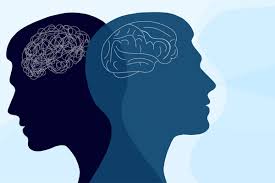
Comprehensive Methods for Acquiring Critical Thinking Skills
I. Foundational Understanding and Assessment
A. Core Definitions and Components
- Critical Thinking: Self-guided, self-disciplined thinking which attempts to reason at the highest level of quality in a fair-minded way
- Key Elements: Analytical thinking, interpretation, inference, evaluation, explanation, and self-regulation
- Dispositions Required: Truth seeking, open-mindedness, analyticity, systematicity, critical thinking confidence, inquisitiveness, and maturity of judgment
B. Assessment Tools and Frameworks
- California Critical Thinking Disposition Inventory (CCTDI): Measures the disposition to engage in problems and make decisions using critical thinking
- Ennis-Weir Critical Thinking Essay Test: Assesses ability to appraise an argument and formulate written arguments
- Bloom’s Taxonomy: Classification system for promoting higher-order thinking skills from knowledge to synthesis and evaluation
II. Philosophical and Logical Methods
A. Classical Philosophical Approaches
- Socratic Method: Systematic method of disciplined questioning to explore complex ideas, uncover assumptions, and follow logical implications
- Deductive Reasoning: Drawing conclusions from certain premises using logical rules with conclusive support
- Inductive Reasoning: Making generalizations based on specific observations with probabilistic support
B. Logical Analysis Tools
- Argument Mapping: Visual diagramming of argument structure to identify how reasons connect and function
- Fallacy Detection: Identifying common logical errors including ad hominem, straw man, false dilemmas, and slippery slope arguments
- Mill’s Methods: Five methods of inductive reasoning for informal experimentation and causal analysis
C. Formal Logic Training
- Propositional Logic: Using truth-tables to represent premises and conclusions for validity testing
- Categorical Logic: Using Venn diagrams to assess deductive argument validity
- Symbolic Logic: Advanced formal systems for precise reasoning
III. Scientific and Empirical Methods
A. Scientific Method Application
- Empirical Evidence Collection: Careful observation coupled with rigorous skepticism to test hypotheses through experiments
- Hypothesis Formation: Creating testable explanations through inductive reasoning
- Experimental Design: Following de Groot’s five-step empirical research cycle: observation, induction, deduction, testing, evaluation
B. Evidence-Based Reasoning
- Data Analysis Skills: Understanding mathematical concepts, statistical calculations, and probability assessment
- Source Evaluation: Developing ability to assess credibility, accuracy, and relevance of information sources
- Bias Recognition: Identifying cognitive biases that can disrupt reasoning processes
C. Research Methodology
- Quantitative Methods: Numerical data analysis using statistical and mathematical approaches
- Qualitative Methods: Non-numerical analysis through interviews, observation, and textual analysis
- Mixed Methods: Combining quantitative and qualitative approaches for comprehensive analysis
IV. Educational and Pedagogical Strategies
A. Classroom-Based Methods
- Case Study Analysis: Presenting real-world scenarios without conclusions for analytical discussion
- Cooperative Learning: Structured group environments for active, critical thinking with peer support and feedback
- Discussion and Debate: Structured dialogues requiring analysis of multiple viewpoints and evidence evaluation
B. Written Exercises and Assignments
- Argumentative Writing: Requiring students to argue multiple sides of issues to develop dialectic reasoning
- Reflective Journals: Structured self-reflection on learning processes and critical thinking development
- Research Papers: Comprehensive analysis requiring evidence synthesis and argument construction
C. Assessment Techniques
- Classroom Assessment Techniques (CATs): Ongoing monitoring through minute papers and reflection questions
- Peer Review: Structured evaluation of classmates’ arguments and reasoning
- Self-Assessment: Guided reflection on strengths, weaknesses, and improvement strategies
V. Metacognitive and Self-Regulatory Approaches
A. Metacognitive Awareness Development
- Self-Monitoring: Conscious awareness of thought processes and learning strategies
- Strategic Planning: Deliberate selection and application of appropriate thinking strategies
- Self-Evaluation: Regular assessment of progress and adjustment of learning behaviors
B. Reflective Practices
- Think-Aloud Protocols: Verbalizing thought processes while problem-solving to demonstrate metacognitive monitoring
- Learning Journals: Recording experiences, insights, and strategic adjustments for continuous improvement
- Post-Task Reflection: Analyzing what worked, what didn’t, and how to improve future performance
C. Self-Regulatory Skills
- Goal Setting: Establishing specific, measurable objectives for critical thinking development
- Progress Monitoring: Regular assessment of advancement toward thinking skill goals
- Strategy Adjustment: Modifying approaches based on effectiveness and feedback
VI. Cognitive Training and Brain Exercises
A. Neuroplasticity-Based Training
- Working Memory Enhancement: Dual n-back training to improve cognitive capacity and processing speed
- Brain Training Games: Computerized cognitive exercises targeting attention, memory, and executive functions
- Strategic Games: Chess, bridge, and Go for developing planning, pattern recognition, and strategic thinking
B. Puzzle and Problem-Solving Activities
- Logic Puzzles: Sudoku, crosswords, and pattern recognition games for analytical skill development
- Mathematical Problem-Solving: Number puzzles and mathematical reasoning for logical thinking enhancement
- Visual-Spatial Tasks: Jigsaw puzzles and spatial reasoning exercises for cognitive flexibility
C. Cognitive Enhancement Techniques
- Visualization Training: Mental imagery practice for memory enhancement and problem-solving improvement
- Memory Techniques: Mnemonic devices and memory palace methods for information retention
- Attention Training: Focused concentration exercises and attention regulation practice
VII. Interactive and Social Learning Methods
A. Collaborative Learning Techniques
- Think-Pair-Share: Individual reflection followed by partner discussion and group presentation
- Peer Instruction: Teaching concepts to others to deepen understanding and identify knowledge gaps
- Group Problem-Solving: Collaborative brainstorming and multi-perspective analysis
B. Discussion-Based Learning
- Structured Debates: Formal argumentation requiring evidence analysis and counter-argument development
- Socratic Seminars: Student-led discussions using questioning techniques to explore complex topics
- Role-Playing: Assuming different perspectives to understand multiple viewpoints on issues
C. Social Learning Strategies
- Mentorship: Seeking guidance from experienced critical thinkers for skill development
- Study Groups: Collaborative analysis and discussion of complex problems
- Professional Learning Communities: Ongoing engagement with others committed to critical thinking development
VIII. Technology-Enhanced Learning
A. Digital Tools and Applications
- Brain Training Apps: Lumosity, Peak, and Elevate for cognitive skill enhancement
- Logic Training Software: Computer-based programs for formal reasoning practice
- Simulation Software: Virtual environments for hypothesis testing and experimental design
B. Online Learning Resources
- MOOCs and Online Courses: Structured critical thinking curricula from universities and educational institutions
- Educational Videos: TED Talks and educational content for exposure to diverse ideas and perspectives
- Interactive Learning Platforms: Gamified environments for engaging critical thinking practice
C. Digital Assessment Tools
- Online Testing Platforms: Automated assessment of reasoning skills and logical thinking
- Portfolio Systems: Digital collection and reflection on critical thinking development
- Analytics Tools: Data-driven feedback on thinking patterns and improvement areas
IX. Real-World Application Methods
A. Problem-Based Learning
- Authentic Problems: Real-world challenges requiring critical analysis and solution development
- Case Studies: In-depth analysis of actual situations requiring multiple perspective consideration
- Project-Based Learning: Long-term investigations requiring sustained critical thinking application
B. Decision-Making Practice
- Scenario Analysis: Evaluating multiple options and consequences through systematic analysis
- Risk Assessment: Probability evaluation and uncertainty management in decision contexts
- Cost-Benefit Analysis: Systematic evaluation of alternatives using quantitative and qualitative factors
C. Professional Application
- Workplace Problem-Solving: Applying critical thinking skills to professional challenges and opportunities
- Research Projects: Conducting original investigations requiring hypothesis testing and evidence evaluation
- Policy Analysis: Examining complex social and organizational issues requiring multi-faceted reasoning
X. Lifestyle and Habit Formation
A. Reading and Information Consumption
- Diverse Reading: Exposure to various genres, perspectives, and complexity levels for cognitive flexibility
- Critical Media Consumption: Evaluating news sources, identifying bias, and fact-checking information
- Academic Literature: Engaging with peer-reviewed research for evidence-based reasoning practice
B. Mindfulness and Reflection Practices
- Meditation: Mindfulness practice for improved self-awareness and cognitive clarity
- Journaling: Regular reflection on thoughts, decisions, and learning experiences
- Self-Questioning: Systematic inquiry into beliefs, assumptions, and reasoning processes
C. Intellectual Curiosity Development
- Continuous Learning: Acquiring new skills and knowledge to challenge cognitive patterns
- Questioning Habits: Developing natural tendency to ask probing questions and seek evidence
- Intellectual Humility: Recognizing limitations and being open to changing beliefs based on evidence
XI. Advanced and Specialized Methods
A. Domain-Specific Training
- Scientific Reasoning: Laboratory-based hypothesis testing and experimental design practice
- Mathematical Reasoning: Proof construction, logical derivation, and mathematical modeling
- Historical Analysis: Source evaluation, causation analysis, and contextual interpretation
B. Cross-Disciplinary Approaches
- Interdisciplinary Problem-Solving: Integrating multiple fields of knowledge for comprehensive analysis
- Systems Thinking: Understanding complex interactions and feedback loops in multifaceted problems
- Design Thinking: Human-centered problem-solving incorporating empathy, creativity, and rationality
C. Advanced Cognitive Techniques
- Lateral Thinking: Non-linear, creative approaches to problem-solving and idea generation
- Analogical Reasoning: Using similarities between situations to generate insights and solutions
- Dialectical Thinking: Examining contradictions and synthesizing opposing viewpoints
XII. Long-Term Development and Maintenance
A. Progressive Skill Building
- Scaffolded Learning: Building from simple to complex critical thinking challenges gradually
- Deliberate Practice: Focused, effortful practice on specific weaknesses with immediate feedback
- Spiral Curriculum: Revisiting core concepts at increasing levels of sophistication
B. Sustained Engagement
- Lifelong Learning: Commitment to continuous intellectual growth and skill refinement
- Professional Development: Ongoing training and education in critical thinking applications
- Community Involvement: Participation in intellectual communities and discussion groups
C. Integration and Transfer
- Cross-Context Application: Using critical thinking skills across multiple domains and situations
- Skill Generalization: Transferring specific techniques to novel problems and contexts
- Meta-Learning: Learning how to learn more effectively through critical thinking application
Conclusion
The development of critical thinking skills requires a multifaceted approach combining philosophical foundations, scientific methods, educational strategies, cognitive training, and practical application. Critical thinking forms a system of related and overlapping modes of thought that require contextual application across disciplines. Success depends on sustained effort, deliberate practice, and integration of multiple methodologies tailored to individual learning preferences and goals. The most effective approach involves incorporating tools and techniques into regular practice, with effort and patience to apply an unbiased, analytical mind to any situation.