
How to Read Anyone Instantly – Nietzsche’s 18 Psychological Truths
Core Premise
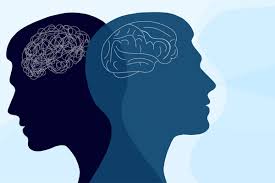
People reveal their true nature not through words, but through behavioral patterns, contradictions, and unconscious reactions. Nietzsche’s psychological insights provide a framework for understanding the masks everyone wears and the fears that drive human behavior.
Part I: The Foundation of Human Masks
Truth 1: Everyone Wears a Mask to Survive
People create versions of themselves they hope will be accepted. The mask isn’t deception—it’s protection. Watch for tension and discomfort to see where the real person begins.
Truth 2: What Someone Hates Reveals What They Hide
Projection is a powerful indicator. When someone constantly criticizes arrogance, they often struggle with insecurity. When they point out dishonesty, they’re usually hiding their own truth. We hate in others what we fear to admit in ourselves.
Truth 3: Silence Reveals More Than Words
Truth doesn’t come from talking. When someone pauses before answering, dodges topics, or gives rehearsed replies to deep questions, that silence speaks volumes. Avoiding vulnerability reveals everything about what they fear.
Truth 4: Excessive Virtue Often Disguises Vanity
Be wary of those who loudly proclaim their purity or constantly correct others. Sometimes morality becomes a mask for superiority—the will to power in disguise. Real goodness doesn’t need applause.
Truth 5: People Lie to Themselves First
The lies you hear (“I’m fine,” “I’m over it,” “I don’t care”) aren’t meant to hurt you—they’re rehearsed so often that people believe them. Self-deception is defense, not evil. Inconsistencies in their story reveal the truth.
Truth 6: Where Someone Feels Superior, They Hide Inferiority
Superiority is often overcompensation. If someone constantly reminds you of their accomplishments, they likely fear inadequacy. If they casually put others down, they’re probably terrified of being overlooked. Real confidence doesn’t compete—it simply exists.
Part II: When Personas Begin to Break
Truth 7: Most Actions Are Driven by Unconscious Fear
Ask not what someone wants, but what they’re afraid of losing. Fear of abandonment, rejection, humiliation, or failure drives most human behavior. Understanding their fears reveals their truth.
Truth 8: Excessive Criticism Is Projection
When someone constantly critiques others, listen closely. The man who mocks emotional people might fear his own feelings. The woman who belittles others’ appearance might be at war with her reflection. Judgment is rarely about the target—it’s about the speaker.
Truth 9: Guilt Hides Behind False Confidence
Watch for chronic confidence—the overly sure person who’s always composed. Look for tension in their jaw, over-preparation, or defensiveness under pressure. This performance often masks guilt about something they regret or a version of themselves they’re trying to disprove.
Truth 10: People Betray Themselves Through Exaggeration
“I don’t care what anyone thinks” often means they care deeply. “I’m always happy” likely means they aren’t. Exaggeration is the ego trying to drown out doubt. Extremism in any direction signals imbalance, not strength.
Truth 11: Those Who Seek Control Fear Inner Chaos
When someone micromanages obsessively, can’t handle change, or dominates others, it’s not strength—it’s terror that everything will fall apart the moment they let go. The stricter the outer shell, the more fragile the inner self.
Truth 12: The Louder the Performance, the Emptier the Core
Constant performing—whether on social media or in person—stems from not believing they’ll be seen or loved without it. When someone’s life looks like a performance, it’s not a show of power but a whisper of need.
Part III: Reading the Soul’s Deep Story
Truth 13: No One Speaks from Logic—They Speak from Pain
Every logical argument has an emotional wound underneath. People form worldviews based on what hurt them, then justify with logic. To understand someone’s beliefs, ask what broke them, what scared them, what they never want to feel again.
Truth 14: How Someone Reacts to Weakness Reveals Their Power
Don’t watch how they treat powerful people—watch how they treat those who can’t fight back. If someone mocks vulnerability, they fear their own. If they punish mistakes, they likely weren’t allowed to make any. True strength is revealed through restraint, not domination.
Truth 15: When Someone Fears Being Forgotten, They Chase Attention
The hunger for attention often comes from fear of invisibility—of living and dying without leaving a mark. People create noise not because they love it, but because they can’t bear the silence. Sometimes attention isn’t vanity—it’s a cry.
Truth 16: The Person They Attack Is Often the Person They Envy
People don’t always attack because they hate—they often attack because they admire but feel they can never be. Criticism is easier than admiration. Envy is unspoken desire—the soul saying “I want that too, but I don’t believe I’m allowed.”
Truth 17: People Act Out Their Childhood, Not Their Beliefs
People repeat the roles they were forced to play, the fears they were taught to carry, the dynamics they never escaped. A person who was never heard becomes someone who never listens. Behavior is biography—behind every adult is a child still waiting to feel safe.
Truth 18: Their Patterns Are a Confession
People show you their wounds through patterns: ghosting when things get close, overworking to avoid stillness, flirting with everyone but connecting with no one. These behaviors confess: “This is how I protect myself,” “This is where I was hurt,” “This is what I fear repeating.”
Key Takeaway
Reading people isn’t about gaining power or control—it’s about understanding and extending compassion. When you see the child behind the critic, the fear behind the bully, and the guilt behind the arrogance, you don’t become weaker—you become unshakable. The more clearly you see others, the more clearly you see yourself.