The Power of Numbers
Numbers in and of themselves are a funny thing. They are not a physical item to touch, consume or object. However, we can definitely feel the impact of numbers. Consider the difference of having 5 100’s compared to 5 1’s.
We use numbers as mathematical objects to count, measure, and label. These representive symbols are given to us in order to label quantity or worth of physical goods.
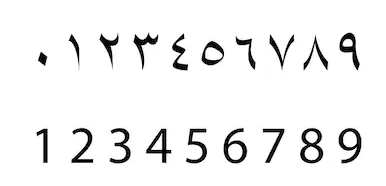
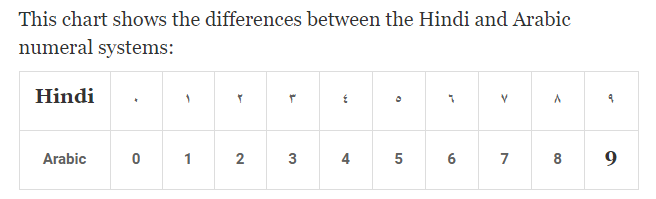
The current symbols used originated from Hindu-Arabic. While numbers are reported to come from India in the 6th or 7th century, these symbols, 1, 2, 3, 4, 5, 6, 7, 8, 9, 0 are Arabic.
These are inherently relied upon to provide us some means of stability, wherein we take action. If the provided numbers are incorrect or skewed, then our actions are mislead or worse, may result in harm.
As students or truth seekers, we should have a basic if not better understanding of numbers and how they can be manipulated toward behavioural reaction.
If we are presented statements, and they use numbers as reference, we should be able to view, deconstruct, and replicate those figures. If we cannot replicate it, then something is not accurate. This is why transparency is important when we use these symbols as a reason to take action.
A real world example of this is currently taking place in Florida. A medical company reported 100% positivity rate, when in reality it was only 25%. Quite a difference in value. Consider how much action or results could had taken place, given this inaccurate information.
You may also be interested in The Zettelkasten Method article.

Matt Cole has high regard for knowledge share. He has a desire to share critical thinking and information. With a Masters in Information Technology and a wide array of certifications, while not working full-time, he wishes to knowledge share through providing insight, information organization, and critical thinking skills.
#KnowledgeShare | Matt Cole | #infobyMattCole