Fallacies or Errors in Logic
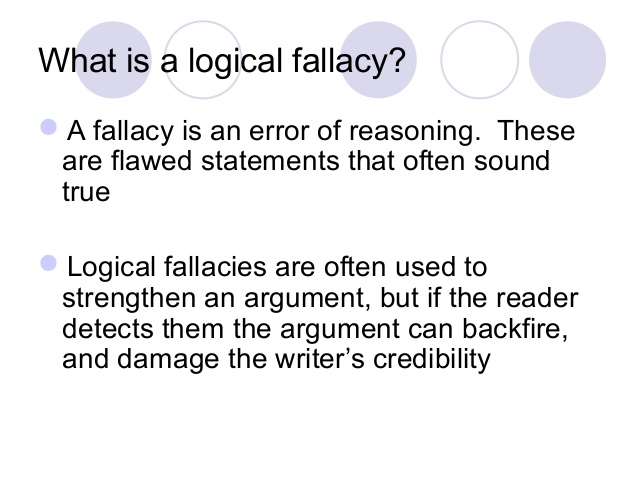
Logic is of the Stoic mindset, and a high regard involving critical thinking. However, errors in logic are called fallacies, and can damage one’s respective view and argument.
Check out my posts ‘What is Critical Thinking‘ and ‘Critical Thinking.’
More sinister logic fallacies are at times purposedly used as reasonable statements. These purposeful fallacies are used to manipulate the audience. We see this playing out many times through media, politics, education and other avenues.
Fallacies Categorized
There are generally two accepted categories, where the most common fallacies fall into.
- Oversimplication
- Distortion
Oversimplication is when someone draws some conclusion, but lacks all the information or evidence.
Another way to view this is generalization. The individual tends to generalize with a broad stroke, without having all the arguments answered.
Distortion is when a false statement of fact which is believed to be true. This can be internally through cognitive distortion, or externally through a social group agreeing on a lie. Fortunately, for the external example, we can critically look at evidence and confirm if it is true.
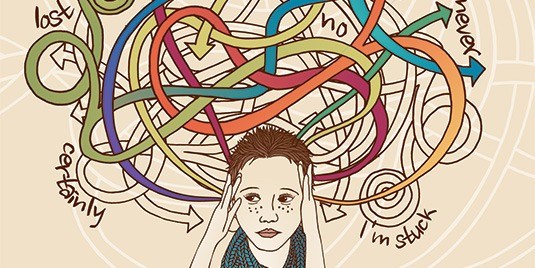
When we fall into the cognitive distortion, we believe what are mind is telling us, even it if is false. It normally is a habitual way of thinking that is often inaccurate and negatively biased. A cycle difficult to break. Example: I suck in math, therefore I will never be good in math.
Emotion vs Intellect / Heart vs Head
There is manipulation all around. Some occur on purpose to pull in the audience to their desired action. Others occur by habit, such as cognitive distortion.
Either way, the individual must step back and critically review what is being conveyed.
I cover and go into detail on the 5 Methods of Critical Thinking in another. You can read that here. But I will reiterate the steps.
1. Identify a Question
2. Gather Data, Research Multiple Sources
3. Analyze the Data
4. Make a Decision/ Conclusion
5. Publish or Present