Negative Visualization – Stoicism
As our world continues to be impacted by uncertain times, prepping has surged again. The idea is to prepare for x things to occur. X being anything from natural disasters, economic collapse, rioting, looting, just pick one. The issue is the individual cannot prepare for anything and everything. They can only prepare (if lucky) for the most common likely negative event. This method is not new. Enter Stoicism negative visualization.
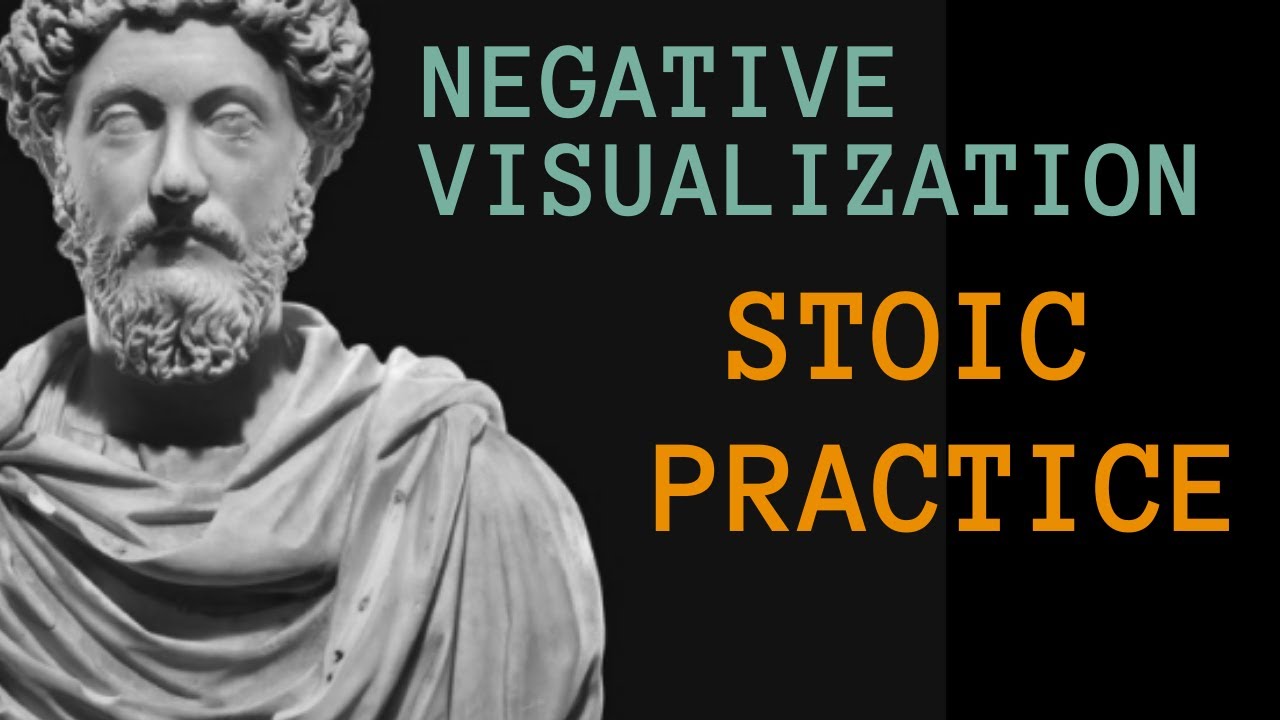
This concept of attempted forecasting and preparation is not new. In fact, this technique is known as Negative Visualisation among the Stoics. The term given is Premeditation Malorum or the premeditation of the evils and troubles that might lay ahead. A thought exercises to attempt to review what could happen negatively and attempt to either circumvent it or be prepared. Essentially, you make a list of things that could go wrong. Check out my article, How an ‘Act of Vengeance’ led me to Stoicism.
While some will say doing so is being a Cynic or negative, The reality is negative events do come. Those prepared are for the better.
Everyone faces up more bravely to a thing for which he has long prepared himself, sufferings, even, being withstood if they have been trained for in advance. Those who are unprepared, on the other hand, are panic-stricken by the most insignificant happenings.
Seneca – Letters from a Stoic
This idea of preparing strives deeply in the heart of a prepper. They desire to weather the storm. The unexpected blows of fortune fall heaviest and most painfully on the unprepared. One cannot be prepared if they have blindspots or do not participate in negative visualization.
‘What’s the Worst That Can Happen?’ Negative Visualization
That is the easiest question to apply to an upcoming event. Review the reality if it can occur, then plan accordingly. When one steps back and thinks about it, you are simply using critical thinking and applying it toward being prepared. This technique can be used for simple tasks or larger projects.
This technique also provides emotional endurance. Consider this. If you visually can see losing your job, love ones, possessions or life, you can mentally prepare for it. While it may be unhealthy to do so consistently, the purpose is to fortitude your emotions and gain perspective.
Summary
Try it and gain perspective and preparedness. Would love if you used this technique and how it has helped you.
Also check out my Proximate Cause article.

Matt Cole has high regard for knowledge share. He has a desire to share critical thinking and information. With a Masters in Information Technology and a wide array of certifications, while not working full-time, he wishes to knowledge share through providing insight, information organization, and critical thinking skills.
#KnowledgeShare | Matt Cole | #infobyMattCole