
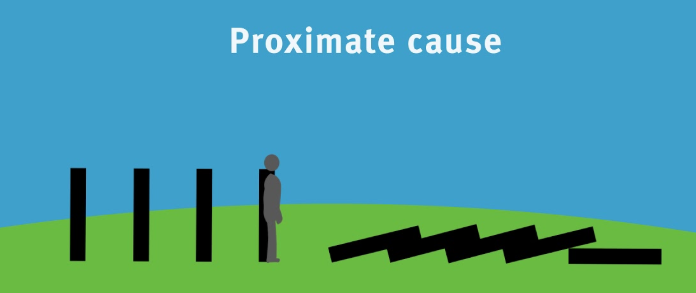
Proximate Cause
Reading Nir Eyal book, #Indistractible , the term proximate causes is discussed in chapter three. By definition, proximate cause is “an event which is closest to, or immediately responsible for causing, some observed result.” This is also known as a distal (away from the center/outer part) cause. In other words, it is observed and at first believed to be the cause, but is not. This proximate cause is an observable indicator but not a true underlying cause.
Check my article, on Root Cause Analysis.
I like how Nir uses the pool as an example to differentiate the true cause versus the proximate cause. Too often, we believe the proximate causes are the culprit of our issues, where it is only the first observable indicator(s).
The domino effect comes to my mind. As each domino tips over and knocks the next one down, the observer would initially believe the cause (issue) is the domino. However, upon a more critical review, the true cause is the original individual tipping the first domino.
We see the occurrence today, people incorrectly choosing the initial observation findings (proximate cause) as to the reason for their discomfort. We also see others manipulating, to redirect people(s) anger on a proximate cause, as opposed to the real issue. When emotions and stress run high, people neglect critical thinking and are at their most vulnerable.
Nil’s book indistractable, provides methods as a means to find the underlying hidden root cause or discomfort for the resulting event. Considering I just started reading it last night and had to stop in chapter nine, it kept my attention. It’s a fascinating read, and I will most likely add additional articles to the resource. Thumbs up on the book.

Matt Cole has high regard for knowledge share. He has a desire to share critical thinking and information. With a Masters in Information Technology and a wide array of certifications, while not working full-time, he wishes to knowledge share through providing insight, information organization, and critical thinking skills.
#KnowledgeShare | Matt Cole | #infobyMattCole