Revolutionary STEM Education Resources: Bridging Theory and Real-World Application
Innovation in STEM education requires sophisticated resources that bridge theoretical concepts with practical applications, preparing students for careers in rapidly evolving technological fields. Modern educational environments demand comprehensive materials that integrate science, technology, engineering, and mathematics while maintaining engagement through relevant, contemporary examples. The most effective STEM curricula combine rigorous academic content with hands-on learning experiences that demonstrate real-world applications of abstract concepts. Educational institutions seeking to enhance their STEM programs need access to professionally developed resources that address current industry standards and emerging technological trends. Students today must develop both foundational knowledge and practical skills that prepare them for advanced academic study and professional opportunities in technology-driven careers. The integration of cutting-edge topics like artificial intelligence, brain-computer interfaces, and computational thinking into educational curricula ensures students remain competitive in rapidly evolving job markets. Comprehensive STEM education resources provide educators with the tools necessary to implement sophisticated programs that inspire student interest while building essential technical competencies.
Brain-computer interface technology represents the frontier of human-machine interaction, requiring specialized educational resources that make complex concepts accessible to high school students. The High School Computer Science: Neuralink Brain-Computer Interface Technology curriculum package transforms traditional computer science instruction through examination of cutting-edge neurotechnology developments. This comprehensive 121-page resource provides detailed exploration of the technical principles underlying brain-computer interfaces while addressing ethical considerations and societal implications. Students engage with real-world case studies from companies like Neuralink while developing understanding of neuroscience, signal processing, and biomedical engineering principles. The curriculum includes laboratory activities, design challenges, and research projects that allow students to explore various aspects of brain-computer interface development. Teachers report significant increases in student engagement when utilizing curricula that address contemporary technological developments and their potential impacts on society. This type of forward-thinking educational content prepares students for emerging career opportunities while developing critical thinking skills about technology’s role in human enhancement and medical treatment.
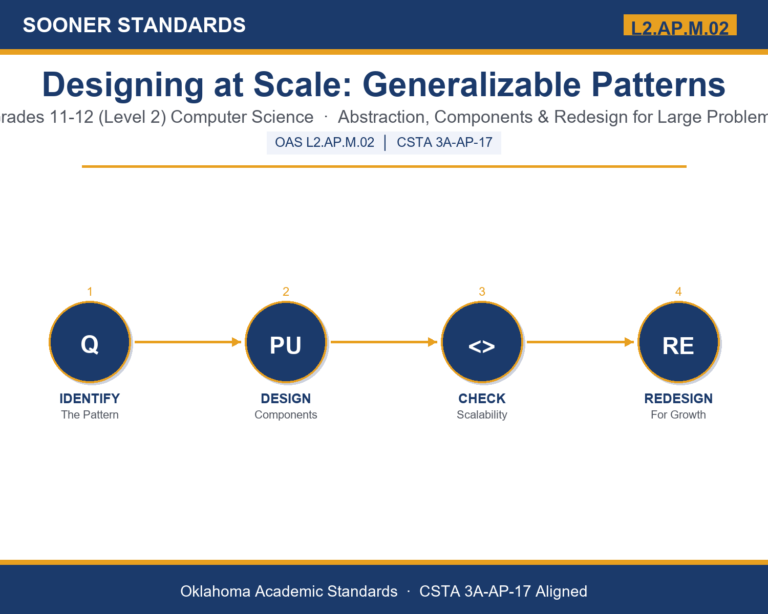
Computational thinking development extends far beyond computer science, representing a fundamental approach to problem-solving that applies across all academic disciplines and professional contexts. Students must learn to break down complex problems into manageable components while identifying patterns and developing algorithmic solutions applicable to diverse situations. The systematic development of computational thinking skills requires comprehensive resources that provide structured learning progressions from concrete examples to abstract applications. Effective computational thinking curricula integrate logical reasoning with creative problem-solving while maintaining relevance through real-world applications and contemporary examples. Educational resources supporting computational thinking development must provide clear scaffolding that helps students progress from basic pattern recognition to sophisticated algorithm design and implementation. Teachers implementing comprehensive computational thinking programs report improved student performance in mathematics, science, and analytical reasoning tasks across multiple subject areas. This cross-curricular impact demonstrates the fundamental value of computational thinking as a universal problem-solving approach that enhances student learning and preparation for future academic and professional challenges.
Want a free Oklahoma CS lesson?
Artificial intelligence algorithm implementation represents a crucial component of modern computer science education, requiring resources that balance theoretical understanding with practical application skills. Students must develop understanding of machine learning principles, neural network architectures, and algorithmic optimization while gaining hands-on experience with AI development tools and frameworks. The Artificial Intelligence Algorithms in Software and Physical Systems – L2.AP.A.01 provides comprehensive exploration of AI implementation across diverse application domains through a detailed 110-page curriculum package. This resource addresses both software-based AI applications and physical system integration while maintaining alignment with advanced placement computer science standards. Students explore supervised and unsupervised learning algorithms while developing projects that demonstrate AI applications in robotics, data analysis, and automated decision-making systems. The curriculum includes programming exercises, case study analyses, and design challenges that prepare students for advanced study in artificial intelligence and machine learning fields. Educators report that students develop sophisticated understanding of AI principles while gaining practical skills in algorithm implementation and system design.
User experience design and accessibility evaluation represent critical skills in modern technology development, requiring educational resources that prepare students to create inclusive, user-centered digital products. The Computational Artifact Evaluation: Complete UX & Accessibility Curriculum provides systematic approach to evaluating digital products through multiple analytical frameworks including usability, accessibility, and design effectiveness. This comprehensive 137-page unit aligns with OAS L1.AP.PD.05 standards while providing practical skills applicable to professional design and development roles. Students learn to conduct user research, evaluate interface design, and assess accessibility compliance using industry-standard methodologies and tools. The curriculum includes real-world case studies, hands-on evaluation projects, and design challenge activities that simulate professional development environments. Teachers implementing this resource report that students develop sophisticated understanding of human-computer interaction principles while gaining valuable experience in user-centered design methodologies. This type of practical, application-focused learning prepares students for careers in technology design while developing empathy and advocacy skills for inclusive design practices.
Critical thinking integration into STEM education requires systematic approaches that combine logical reasoning with scientific methodology and technological problem-solving. The High School Critical Thinking: Fallacy Detection Unit – Complete Curriculum Pack provides essential foundation skills for effective STEM education through comprehensive examination of logical reasoning and argument analysis. This 82-page resource package includes detailed lessons on fallacy identification, argument structure analysis, and evidence evaluation that support scientific reasoning and technological decision-making. Students develop skills in evaluating claims, identifying bias, and constructing logical arguments while learning to apply these skills in STEM contexts. The curriculum provides frameworks for analyzing scientific studies, evaluating technological claims, and making evidence-based decisions about complex technical issues. Teachers report that students who complete critical thinking training demonstrate improved performance in scientific reasoning tasks and enhanced ability to evaluate technological solutions objectively. This foundational approach to analytical thinking supports success across all STEM disciplines while preparing students for careers requiring systematic problem-solving and evidence-based decision-making.
Technology integration in film analysis provides engaging opportunities for students to explore technical concepts while developing media literacy and analytical thinking skills. The Computer Science in Film: “Sneakers” (1992) Technical Analysis demonstrates innovative approaches to teaching cybersecurity concepts through popular media analysis. This curriculum unit uses classic technology thriller content to explore information security principles, social engineering techniques, and ethical considerations in computing. Students analyze the technical accuracy of portrayed technologies while developing understanding of cryptographic principles, network security, and digital forensics concepts. The resource includes viewing guides, technical analysis activities, and discussion prompts that connect cinematic portrayals to real-world cybersecurity applications and career opportunities. Educators find that media-based learning approaches significantly increase student engagement while providing memorable contexts for abstract technical concepts. This interdisciplinary approach helps students understand that computer science extends beyond programming into areas of ethics, security, and social responsibility while developing critical media consumption skills.
Interdisciplinary approaches to STEM education require resources that demonstrate connections between technological development and broader social, historical, and literary contexts. The High School Computer Science: H.G. Wells Open Conspiracy Novel Study exemplifies innovative curriculum design that combines literary analysis with technological literacy development. This resource uses Wells’ prescient analysis of social organization to explore contemporary issues including data privacy, algorithmic governance, and technological determinism. Students develop both analytical reading skills and technological understanding while engaging with texts that predicted many aspects of current digital society challenges. The curriculum includes reading guides, technology connection activities, and research projects that help students understand historical continuity in technological development and social impact. Teachers implementing interdisciplinary approaches report that students develop broader perspectives on technology’s societal role while strengthening both analytical and technical competencies. This type of comprehensive education prepares students for careers requiring both technical expertise and understanding of technology’s broader social implications.
Professional development in STEM education requires ongoing access to innovative resources that address emerging technologies while maintaining pedagogical effectiveness and standards alignment. Educational leaders must provide teachers with comprehensive materials that combine cutting-edge content with proven instructional strategies for diverse student populations. The most successful STEM programs utilize resources that demonstrate clear connections between theoretical concepts and practical applications while maintaining flexibility for various implementation contexts. Teachers need access to detailed implementation guides, assessment materials, and extension activities that support differentiated instruction and accommodate various learning styles and interests. Educational institutions investing in comprehensive STEM resources report improved student engagement, enhanced achievement on standards-based assessments, and increased enrollment in advanced STEM coursework. The systematic approach provided by professionally developed educational resources ensures consistent, effective instruction while supporting teacher confidence and continued professional growth. Schools seeking to enhance their STEM programs should prioritize resources that combine academic rigor with contemporary relevance while providing comprehensive support for both initial implementation and ongoing program development and refinement.