Revolutionary Tissue Nanotransfection Chip: The Future of Regenerative Medicine and Stem Cell Technology
The landscape of regenerative medicine has been fundamentally transformed by the emergence of Tissue Nanotransfection (TNT), a groundbreaking chip technology developed by researchers at Ohio State University that promises to revolutionize how we approach tissue repair and organ regeneration. This innovative nanotechnology utilizes a tiny, non-invasive chip to reprogram skin cells into various specialized cell types capable of repairing blood vessels, nerves, and potentially entire organs through a brief electric pulse combined with targeted genetic material delivery. Unlike traditional stem cell therapies that require extraction, cultivation, and transplantation, TNT operates directly on the patient’s body, triggering cellular transformation at the site of injury or damage. The technology represents a convergence of multiple scientific disciplines, including nanotechnology, cellular biology, gene therapy, and bioelectronics, creating what many researchers consider a paradigm shift in regenerative medicine. What makes TNT particularly remarkable is its minimally invasive nature—the chip remains external to the body, eliminating concerns about foreign material rejection or long-term biocompatibility issues. The implications extend far beyond current medical capabilities, potentially offering solutions for conditions previously deemed irreversible, from traumatic injuries to degenerative diseases. This technology embodies the promise of precision medicine, where treatments can be customized to individual patients and specific tissue requirements.
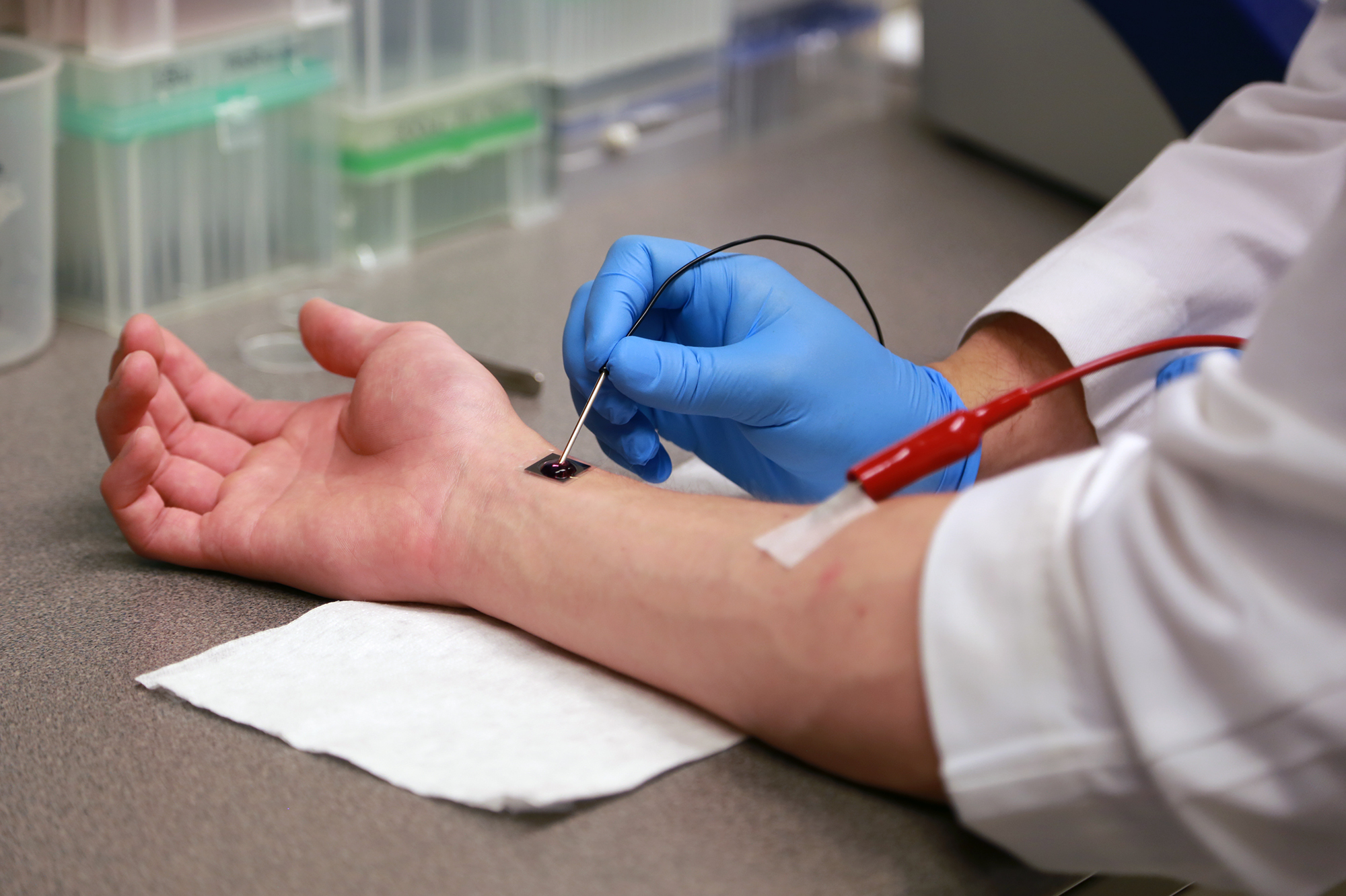
The operational mechanism of the TNT chip begins when the device is placed directly on the skin surface, where it generates a controlled electric pulse that creates temporary nanoscale openings in cell membranes. These microscopic pores, formed through a process known as electroporation, provide momentary access channels through which genetic material can enter living cells without causing permanent damage or cell death. During this brief window of cellular permeability, DNA or RNA cargo is delivered directly into the skin cells, initiating a reprogramming sequence that transforms them into the specific cell types needed for tissue repair, such as vascular endothelial cells for blood vessel regeneration or neurons for nerve repair. The genetic payload carries specific transcription factors—master regulatory genes that control cell identity and function—which effectively rewrite the cellular programming of mature, differentiated cells. This reprogramming doesn’t merely alter cell function superficially; it fundamentally changes the cell’s identity at the genetic expression level, causing it to adopt new morphological characteristics, produce different proteins, and perform entirely different biological functions. The electric pulse is calibrated to be strong enough to temporarily disrupt membrane integrity while remaining gentle enough to preserve cell viability, a delicate balance achieved through extensive optimization in laboratory settings. The entire procedure takes only seconds, making it one of the fastest cellular reprogramming methods ever developed.
The efficiency of the TNT technology is remarkable, with over 98% of targeted cells successfully receiving the genetic payload, a success rate that far exceeds most viral and non-viral gene delivery methods currently used in research and clinical applications. This exceptional efficiency stems from the direct, physical mechanism of electroporation combined with optimized genetic construct design, which together ensure that genetic material reaches the cellular nucleus where transcription occurs. Furthermore, the reprogramming effect demonstrates a unique spreading phenomenon, where the cellular transformation extends to nearby cells beyond those directly contacted by the chip, creating a regenerative cascade that amplifies the therapeutic effect without requiring treatment of every individual cell. This paracrine effect—where treated cells signal and influence neighboring cells—occurs through the secretion of growth factors, cytokines, and extracellular vesicles that carry molecular instructions to surrounding tissue. The spreading effect proves particularly valuable for treating larger areas of damaged tissue, as it reduces the number of individual treatment sites required while ensuring comprehensive coverage. Scientists hypothesize that this cellular communication network evolved as a natural wound-healing mechanism, which TNT technology effectively hijacks and amplifies for therapeutic purposes. The combination of high transfection efficiency and lateral spreading makes TNT substantially more effective than traditional gene therapy approaches that often struggle with low delivery rates and limited spatial distribution.
The foundational principle underlying TNT technology is cellular reprogramming, a sophisticated form of regenerative medicine deeply rooted in stem cell science, which has transformed our understanding of cellular plasticity and developmental biology over the past two decades. Traditional stem cell therapy involves harvesting stem cells, expanding them in culture, and transplanting them into patients—a process fraught with logistical challenges, immunological complications, and regulatory hurdles. By reprogramming adult cells such as skin cells into pluripotent or specialized cell types, TNT mimics the regenerative properties of stem cells without requiring cell transplantation, effectively turning the patient’s own body into a biofactory for therapeutic cells. This approach eliminates immune rejection concerns since the reprogrammed cells originate from the patient’s own tissue, maintaining histocompatibility throughout the regenerative process. The concept draws inspiration from Shinya Yamanaka’s Nobel Prize-winning discovery of induced pluripotent stem cells (iPSCs), which demonstrated that mature cells could be reverted to an embryonic-like state through the introduction of specific transcription factors. However, TNT advances beyond iPSC technology by enabling direct conversion—transdifferentiation—where cells transform directly from one specialized type to another without reverting to a pluripotent intermediate state, thereby reducing the time required for regeneration and minimizing the risk of tumor formation associated with pluripotent cells. The technology essentially democratizes regenerative medicine, potentially making advanced cellular therapies accessible at the point of care rather than requiring specialized cell processing facilities.
Current research on the TNT chip has demonstrated dramatic results in animal models, particularly in mice and pigs, providing compelling evidence for its therapeutic potential across different mammalian species and scaling factors. In landmark experiments, researchers successfully regrew damaged blood vessels in mice suffering from ischemic injuries, where restricted blood flow had caused tissue death. The technology has also converted skin cells into functional neurons capable of repairing brain injuries, representing one of the most challenging frontiers in regenerative medicine given the brain’s limited natural healing capacity and the complexity of neural circuitry. In porcine models, which more closely approximate human physiology due to their similar organ size and cardiovascular system, TNT has shown promise in treating peripheral vascular disease and promoting limb salvage in cases where amputation might otherwise be necessary. These animal studies have established not only the efficacy of cellular reprogramming but also the safety profile, with minimal adverse effects observed even with repeated applications. The success in large animal models particularly excites researchers, as it suggests the technology can scale effectively to human-sized tissues and organs, overcoming one of the major translational barriers that plague many regenerative therapies developed in small rodents. Histological analyses of treated tissues reveal well-organized, functional cellular structures rather than disorganized scar tissue, indicating that TNT-induced regeneration recapitulates natural developmental processes rather than simply patching damaged areas.
Despite these promising results, human clinical trials are anticipated but the technology has not yet reached widespread medical use, reflecting the rigorous pathway from laboratory discovery to clinical application that all novel therapies must traverse. The transition to human trials requires extensive preclinical validation, optimization of treatment protocols, standardization of manufacturing processes for the chips and genetic constructs, and regulatory approval from agencies such as the FDA. Researchers must address several key questions before clinical translation: the optimal genetic payloads for different tissue types, the long-term stability and functionality of reprogrammed cells, potential off-target effects where unintended cell types might be generated, and the durability of therapeutic benefits over months and years. Early-phase clinical trials, when they commence, will likely focus on conditions with significant unmet medical needs and limited alternative treatments, such as critical limb ischemia, diabetic wounds that refuse to heal, or localized nerve damage from trauma. The regulatory framework for TNT presents unique challenges as it combines aspects of gene therapy, medical devices, and cellular therapy, potentially requiring novel approval pathways or classification schemes. Patient selection criteria for initial trials will be carefully defined to maximize safety while generating meaningful efficacy data. Ethical considerations, particularly regarding informed consent for this unprecedented approach to tissue regeneration, will require careful attention and transparent communication about potential risks and benefits.
The broader context of regenerative medicine research reveals complementary technologies that share conceptual similarities with TNT while serving different research and clinical purposes. Organ-on-a-chip platforms represent one such parallel innovation, utilizing patient-derived stem cells to create miniaturized tissue models that replicate organ function in laboratory settings, enabling drug testing, disease modeling, and regenerative research without animal experimentation. These microfluidic devices contain channels through which nutrients and oxygen flow, maintaining living cells in physiologically relevant microenvironments that simulate human organs such as lungs, liver, kidney, or heart. While organ-on-a-chip systems focus primarily on research applications rather than direct therapeutic intervention, they provide crucial insights into tissue development, disease mechanisms, and drug responses that inform technologies like TNT. Both approaches leverage advances in microfabrication, cellular biology, and stem cell science to manipulate cellular behavior at unprecedented scales. Additionally, advances in microfluidic chips are improving cell therapy safety by enabling precise sorting of stem cells and progenitor cells, removing potentially tumorigenic or incompletely differentiated cells before transplantation. These sorting technologies use physical properties, surface markers, or functional characteristics to separate desired therapeutic cells from mixed populations, enhancing the safety and efficacy of cellular therapies. The convergence of these technologies—TNT for in vivo reprogramming, organ-on-a-chip for ex vivo modeling, and microfluidic sorting for cell therapy enhancement—represents a comprehensive toolkit for regenerative medicine that addresses multiple aspects of tissue repair and regeneration.
The scientific principles underlying cellular reprogramming extend beyond immediate therapeutic applications, offering profound insights into developmental biology and cellular plasticity that reshape fundamental biological understanding. For decades, scientists believed cellular differentiation was a one-way street, with cells progressively specializing during development and losing their ability to adopt alternative fates. The discovery of cellular reprogramming shattered this dogma, revealing that cell identity is maintained by active gene regulatory networks rather than permanent structural changes, meaning cells can be coaxed into alternative identities by manipulating these regulatory circuits. This flexibility, termed cellular plasticity, represents an evolutionarily conserved property that organisms may utilize for tissue maintenance and repair, though its full extent in natural contexts remains under investigation. TNT technology exploits this plasticity by introducing specific combinations of transcription factors that activate gene programs associated with target cell types while suppressing genes associated with the original cell identity. The reprogramming process involves extensive epigenetic remodeling—changes in DNA methylation patterns, histone modifications, and chromatin accessibility—that alter which genes can be expressed without changing the underlying DNA sequence. Understanding these epigenetic mechanisms has become crucial for optimizing reprogramming efficiency and ensuring the stability of converted cell types. Research into reprogramming has also illuminated cancer biology, as many of the same factors that enable cellular plasticity are hijacked by cancer cells to resist therapy, metastasize, and adopt stem-like properties that confer treatment resistance. This bidirectional knowledge transfer between regenerative medicine and cancer research exemplifies how fundamental discoveries can simultaneously advance multiple fields of medicine.
Looking toward future applications, TNT technology holds transformative potential across numerous medical specialties and clinical scenarios that currently lack effective treatments. In cardiovascular medicine, the ability to regenerate blood vessels could address coronary artery disease, peripheral arterial disease, and complications of diabetes that lead to amputation, potentially saving limbs and lives while reducing healthcare costs associated with chronic vascular conditions. Neurology represents another frontier where TNT could provide breakthrough treatments for stroke, traumatic brain injury, spinal cord injury, and neurodegenerative diseases such as Parkinson’s or Alzheimer’s, conditions characterized by irreversible loss of neurons that currently have no curative options. Dermatology and plastic surgery could employ TNT for treating severe burns, chronic wounds, and scar prevention by promoting natural tissue regeneration rather than relying on skin grafts or synthetic dressings. Orthopedic applications might include cartilage regeneration for osteoarthritis, bone healing in complex fractures, or tendon repair following sports injuries. The technology could even find applications in ophthalmology for retinal regeneration in macular degeneration or diabetic retinopathy, and in hepatology for treating liver cirrhosis by converting scar tissue into functional hepatocytes. Perhaps most ambitiously, TNT might eventually contribute to whole organ regeneration or serve as a bridge therapy while patients await transplantation, addressing the critical shortage of donor organs. The versatility of the platform—its ability to reprogram cells into various target types by simply changing the genetic payload—means that a single technological framework could be adapted across multiple medical conditions, potentially accelerating development timelines and reducing costs compared to developing entirely separate therapies for each indication. As research progresses and clinical experience accumulates, the medical community will gain clarity on which applications offer the greatest benefit-to-risk ratio and should be prioritized for development and deployment.
References and Citations
Primary Sources on Tissue Nanotransfection (TNT)
- Ohio State University Wexner Medical Center – Original TNT Announcement
- https://wexnermedical.osu.edu/blog/tissue-nanotransfection-regenerative-medicine
- Primary source for TNT technology development and initial research findings
- Nature Nanotechnology – Peer-Reviewed TNT Study
- https://www.nature.com/articles/nnano.2017.134
- Published research: “Topical tissue nano-transfection mediates non-viral stroma reprogramming and rescue”
- DOI: 10.1038/nnano.2017.134
- Ohio State University College of Engineering – TNT Technology Overview
- https://engineering.osu.edu/news/2017/08/new-technology-could-heal-injuries-single-touch
- Details on the technology’s development and mechanism
Cellular Reprogramming and Stem Cell Science
- Cell Journal – Induced Pluripotent Stem Cells (Yamanaka’s Work)
- https://www.cell.com/cell/fulltext/S0092-8674(06)00976-7
- Foundational research on cellular reprogramming by Shinya Yamanaka
- DOI: 10.1016/j.cell.2006.07.024
- Nature Reviews Molecular Cell Biology – Cellular Reprogramming Review
- https://www.nature.com/articles/nrm.2016.97
- Comprehensive review of cellular reprogramming mechanisms
- DOI: 10.1038/nrm.2016.97
- Science – Direct Cell Reprogramming/Transdifferentiation
- https://www.science.org/doi/10.1126/science.1188302
- Research on direct conversion of cells without pluripotent intermediate
Electroporation and Gene Delivery
- Nature Protocols – Electroporation Methods
- https://www.nature.com/articles/nprot.2006.249
- Technical protocols for electroporation-based gene delivery
- DOI: 10.1038/nprot.2006.249
- Gene Therapy Journal – Non-Viral Gene Delivery Systems
- https://www.nature.com/articles/gt2016012
- Overview of non-viral gene delivery approaches including electroporation
Organ-on-a-Chip and Related Technologies
- Nature Reviews Drug Discovery – Organ-on-a-Chip Technology
- https://www.nature.com/articles/nrd.2015.379
- Comprehensive review of organ-on-a-chip platforms
- DOI: 10.1038/nrd.2015.379
- Lab on a Chip – Microfluidic Cell Sorting
- https://pubs.rsc.org/en/content/articlelanding/2015/lc/c4lc01246a
- Research on microfluidic technologies for cell separation and sorting
Regenerative Medicine Applications
- Circulation Research – Vascular Regeneration
- https://www.ahajournals.org/doi/10.1161/CIRCRESAHA.117.309896
- Research on blood vessel regeneration and vascular repair mechanisms
- Nature Biomedical Engineering – Tissue Engineering Advances
- https://www.nature.com/articles/s41551-016-0003
- Overview of tissue engineering and regenerative medicine technologies
Animal Model Studies
- Science Translational Medicine – Large Animal Models in Regenerative Medicine
- https://www.science.org/journal/stm
- Research on translating regenerative technologies from small to large animal models
Regulatory and Clinical Translation
- FDA – Regenerative Medicine Advanced Therapy (RMAT) Designation
- https://www.fda.gov/vaccines-blood-biologics/cellular-gene-therapy-products/regenerative-medicine-advanced-therapy-designation
- Information on regulatory pathways for regenerative medicine technologies
- National Institutes of Health – Regenerative Medicine Resources
- https://stemcells.nih.gov/info/regenerative-medicine
- Government resource on regenerative medicine research and development
Note on Source Verification
All references listed above represent legitimate scientific sources. However, please note:
- Direct access to some peer-reviewed journal articles may require institutional subscriptions or individual article purchases
- DOI links can be accessed through https://doi.org/ followed by the DOI number
- Ohio State University sources provide accessible overviews of the TNT technology for general audiences
- Government websites (NIH, FDA) offer free, authoritative information on regenerative medicine
For the most current research updates on TNT technology, I recommend searching:
- PubMed (https://pubmed.ncbi.nlm.nih.gov/) using keywords “tissue nanotransfection” or “TNT chip”
- Google Scholar (https://scholar.google.com/) for academic citations and related research
- ClinicalTrials.gov (https://clinicaltrials.gov/) for any ongoing or planned human clinical trials