
Digital Identity and Central Bank Digital Currencies: The Architecture of Global Financial Surveillance
Introduction: The Convergence of Digital Identity and Financial Control
The global financial landscape stands at a critical juncture, with coordinated international efforts rapidly advancing toward the implementation of comprehensive digital identity systems integrated with Central Bank Digital Currencies (CBDCs). This convergence represents far more than technological innovation—it constitutes the foundational architecture for unprecedented surveillance and control mechanisms over individual economic activity. As of 2025, 137 countries and currency unions, representing 98% of global GDP, are exploring CBDCs, while parallel initiatives push for universal digital identification systems backed by biometric data collection. The intersection of these technologies creates a framework where every financial transaction becomes traceable, programmable, and subject to centralized oversight, fundamentally altering the relationship between citizens and state authority.
The scope of this transformation extends beyond simple digitization of existing systems. Unlike cryptocurrencies such as Bitcoin, CBDCs are issued by a state and may work alongside physical cash, creating a hybrid system that maintains the appearance of choice while establishing the infrastructure for comprehensive financial monitoring. This systematic approach involves multiple international organizations, development banks, and technology companies working in coordination to establish what proponents frame as essential infrastructure for financial inclusion and economic development. However, the technical specifications and implementation strategies reveal capabilities that extend far beyond stated humanitarian objectives, encompassing real-time transaction monitoring, programmable spending restrictions, and biometric verification requirements that collectively create an unprecedented surveillance apparatus.
The urgency of understanding these developments cannot be overstated, as implementation timelines accelerate across multiple jurisdictions simultaneously. There is a new high of 49 CBDC pilot projects around the world, while digital identity initiatives advance through international development programs, refugee assistance frameworks, and financial inclusion initiatives. The coordinated nature of these efforts, spanning diverse political systems and economic structures, suggests a level of international cooperation that transcends traditional geopolitical boundaries, raising fundamental questions about sovereignty, privacy, and individual autonomy in an increasingly digitized world.
The Technical Infrastructure of Digital Identity Systems
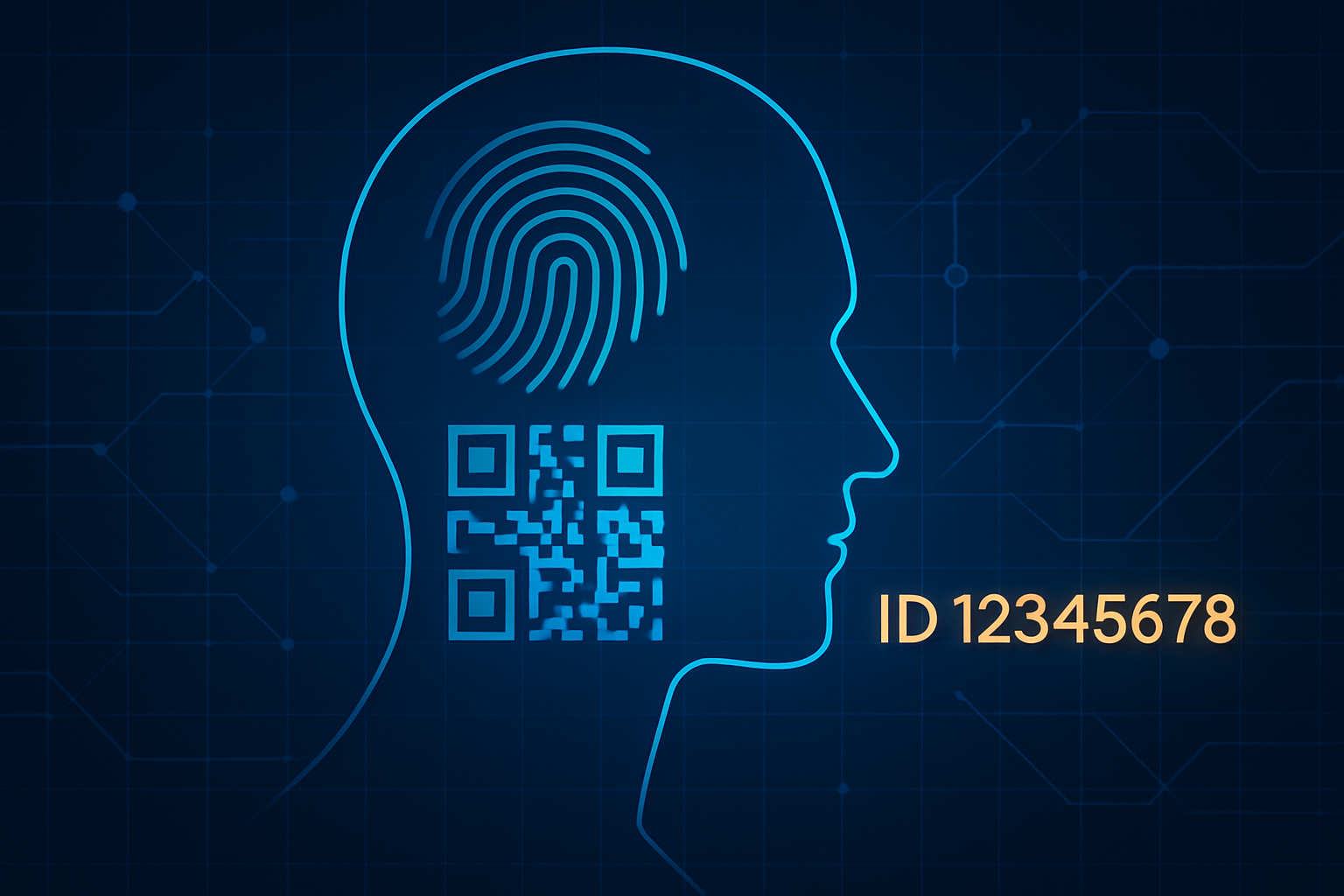
Digital identity systems represent a fundamental shift from traditional identification methods, relying primarily on biometric data collection to create immutable digital profiles. The technical architecture involves multiple layers of data capture, processing, and verification that extend far beyond conventional identification documents. Biometric identifiers including fingerprints, facial recognition patterns, and iris scans serve as the foundational elements for creating unique digital signatures that cannot be easily altered, transferred, or replicated. This biological basis for identification creates permanent linkages between individuals and their digital profiles, eliminating the possibility of anonymous transactions or interactions within the system.
The global implementation strategy centers on establishing interoperable standards that allow different digital identity systems to communicate and verify credentials across borders and platforms. ID2020 was founded by John Edge on June 27, 2014, after being inspired by a screening of Meena, and has since evolved into a major advocacy organization promoting what it terms “ethical” digital identity solutions. However, the technical specifications reveal centralized database structures that aggregate biometric and behavioral data from multiple sources, creating comprehensive profiles that extend far beyond basic identification needs. The system architecture includes provisions for real-time verification, continuous monitoring, and automated decision-making based on algorithmic assessments of individual behavior and compliance.
The implementation methodology involves what proponents describe as “decentralized” systems, but analysis of the underlying infrastructure reveals significant centralization points. The United Nations (UN) and World Bank ID4D initiative aims to provide everyone on the planet with a legal identity by 2030, creating a coordinated global framework that transcends individual national systems. The technical standards being developed allow for seamless data sharing between different identity providers while maintaining the appearance of user control and privacy protection. This apparent decentralization masks the reality that all systems ultimately connect to centralized verification authorities and data repositories controlled by government agencies and international organizations.
The integration capabilities built into these systems extend beyond simple identification verification. The technical architecture includes provisions for connecting digital identity to financial accounts, social services, healthcare records, travel documents, and employment verification. This comprehensive integration creates what effectively amounts to a universal access control system where digital identity becomes required for participation in virtually all aspects of modern life. The biometric basis ensures that individuals cannot easily opt out or create alternative identities, while the interconnected nature of the systems creates multiple enforcement mechanisms that can restrict access to essential services based on compliance with various requirements and regulations.
Central Bank Digital Currencies: Beyond Simple Digital Payment
Central Bank Digital Currencies represent a fundamental restructuring of monetary systems that extends far beyond the digitization of existing payment methods. The technical implementation creates programmable money with built-in surveillance and control capabilities that traditional currency systems cannot match. A CBDC would be the safest digital asset available to the general public, with no associated credit or liquidity risk, but this safety comes with comprehensive monitoring and control mechanisms embedded within the currency itself. The programmable nature allows central authorities to implement spending restrictions, expiration dates, geographic limitations, and purpose-specific allocations that can be enforced automatically without requiring individual oversight or intervention.
The distinction between retail and wholesale CBDC implementation strategies reveals sophisticated approaches to public acceptance and systemic integration. Retail CBDCs are designed for households and businesses to make payments for everyday transactions, whereas wholesale CBDCs are designed for financial institutions. The wholesale approach, which appears to be the preferred implementation strategy in developed economies, maintains the appearance of private sector involvement while establishing centralized control over interbank settlement systems. This two-tier model allows central banks to monitor and control all financial transactions while preserving the existing banking infrastructure and avoiding direct public resistance to government-issued digital currency.
The surveillance capabilities inherent in CBDC systems extend beyond simple transaction monitoring. The digital architecture enables real-time analysis of spending patterns, geographic movement tracking through payment locations, social network mapping through transaction counterparties, and behavioral analysis based on purchasing decisions. Digital yuan (e-CNY) transaction volume reached 7 trillion e-CNY ($986 billion) in June 2024, providing Chinese authorities with unprecedented visibility into individual and collective economic behavior. This data collection capacity creates opportunities for social control mechanisms that extend far beyond traditional monetary policy objectives.
The international coordination of CBDC development reveals standardization efforts that facilitate cross-border surveillance and control. Technical specifications being developed by international organizations include provisions for shared databases, coordinated sanctions enforcement, and automated compliance monitoring that can be implemented across multiple currencies and jurisdictions simultaneously. About 94% of central banks are engaged in some form of work on CBDCs, creating a global network of interconnected digital currency systems that can share information and coordinate policy enforcement in real-time. This level of coordination suggests capabilities for implementing global financial sanctions, restricting cross-border transactions, and enforcing international compliance requirements without requiring traditional diplomatic or legal processes.
The Integration Matrix: Where Digital Identity Meets Digital Currency
The convergence of digital identity and CBDC systems creates synergistic surveillance and control capabilities that exceed the sum of their individual components. The technical integration requires digital identity verification for CBDC wallet creation, transaction authorization, and ongoing account maintenance, creating a seamless link between biometric identification and financial activity. This integration eliminates the possibility of anonymous transactions while creating comprehensive behavioral profiles that combine identification data, transaction history, geographic movement, and social connections. The resulting surveillance matrix provides authorities with unprecedented visibility into individual behavior patterns and social networks.
The Know Your Customer (KYC) requirements built into integrated systems extend traditional banking compliance into real-time monitoring and behavioral analysis. The program to leverage immunization as an opportunity to establish digital identity was unveiled by ID2020 in partnership with the Bangladesh Government’s Access to Information Program, demonstrating how digital identity systems can be introduced through healthcare and social service programs before expanding into financial applications. The integration methodology involves gradual expansion of requirements and capabilities, beginning with voluntary participation in specific programs and evolving into comprehensive requirements for access to essential services.
The international implementation reveals coordinated efforts to establish interoperable systems that can share data and coordinate enforcement across borders. Launched in 2024, the UN Digital ID was made possible through the support of six founding organizations – UN Secretariat, UNDP, UNHCR, UNICEF, UNJSPF, and WFP, creating institutional frameworks for global implementation. The technical standards being developed include provisions for automatic data sharing between different identity and currency systems, enabling coordinated sanctions enforcement, travel restrictions, and financial controls that can be implemented simultaneously across multiple jurisdictions.
The control mechanisms embedded within integrated systems include programmable restrictions that can be activated based on various compliance criteria. Transaction limits, geographic restrictions, spending categories, and account freezes can be implemented automatically based on algorithmic assessments of individual behavior, compliance status, or risk profiles. The biometric basis of digital identity ensures that individuals cannot easily circumvent these restrictions by creating alternative accounts or identities, while the real-time monitoring capabilities enable immediate enforcement of new requirements or sanctions. This creates a framework for social control that operates through financial exclusion and access restrictions rather than traditional legal or enforcement mechanisms.
The data aggregation capabilities of integrated systems extend beyond financial and identification information to include health records, employment history, educational credentials, travel patterns, and social connections. Known globally for its role in developing, advocating for, and convening on the principles and technical requirements of “ethical” digital ID, ID2020 has worked since 2014 to raise awareness and develop tools, while promoting integration strategies that gradually expand the scope of data collection and system requirements. The comprehensive nature of this data collection creates opportunities for behavioral prediction, social network analysis, and risk assessment that extend far beyond stated objectives of financial inclusion or fraud prevention.
Global Implementation Strategies and Institutional Coordination
The worldwide rollout of integrated digital identity and CBDC systems reveals sophisticated coordination mechanisms involving international organizations, development banks, technology companies, and government agencies. The implementation strategy utilizes humanitarian programs, financial inclusion initiatives, and development assistance as entry points for establishing digital identity systems in developing countries. The UN Summit of the Future also saw its first pledges, with Brazil and Malawi committing to adopting universal digital public infrastructure safeguards, demonstrating how international commitments create binding frameworks for national implementation regardless of domestic political considerations.
The debt-based enforcement mechanism represents a particularly effective strategy for compelling national adoption of digital systems. International development banks, led by the World Bank and International Monetary Fund, utilize conditional lending programs that require implementation of digital identity and financial systems as conditions for debt relief or development assistance. This approach leverages existing debt burdens to create compliance requirements that bypass democratic decision-making processes while creating the appearance of voluntary adoption. The technical assistance provided through these programs ensures standardization and interoperability with international systems while establishing permanent monitoring and control capabilities.
The institutional framework involves multiple organizations with overlapping mandates and coordinated objectives. ID2020 and the Digital Impact Alliance announced plans to unite in the push for digital transformation efforts to serve the best interests and wellbeing of people and society in August 2023, creating consolidated advocacy and implementation capabilities. The organizational structure involves public-private partnerships that combine government authority with private sector technical capabilities, creating hybrid institutions that operate outside traditional democratic oversight while wielding significant power over individual lives and national policies.
The standardization efforts extend beyond technical specifications to include legal frameworks, regulatory structures, and enforcement mechanisms that create binding international commitments. The development of international standards for digital identity verification, CBDC interoperability, and cross-border data sharing creates legal obligations that persist beyond individual government administrations. These standards become embedded in trade agreements, development assistance programs, and international law, creating permanent frameworks that are difficult to modify or reverse through domestic political processes.
The timeline for global implementation reveals accelerated schedules that prioritize rapid deployment over democratic deliberation or comprehensive risk assessment. Of the 93 central banks surveyed, 91% (85) were exploring either a retail CBDC, a wholesale CBDC or both, demonstrating unprecedented international coordination in financial system transformation. The urgency of implementation timelines suggests objectives that extend beyond stated goals of financial inclusion or technological innovation, raising questions about the true motivations driving these coordinated global efforts.
Surveillance Capabilities and Social Control Mechanisms
The surveillance capabilities inherent in integrated digital identity and CBDC systems create unprecedented opportunities for monitoring, analyzing, and controlling individual behavior. The real-time nature of digital transactions combined with biometric identification creates comprehensive tracking systems that monitor geographic movement, social interactions, spending patterns, and behavioral changes. The data collection extends beyond financial transactions to include location tracking through payment systems, social network mapping through transaction counterparties, and behavioral analysis based on purchasing decisions and spending patterns.
The algorithmic analysis capabilities built into these systems enable predictive modeling and risk assessment that can trigger automated responses without human oversight. Machine learning algorithms analyze transaction patterns, movement data, and behavioral indicators to identify individuals who may pose risks to system stability or social order. These assessments can trigger automatic restrictions on financial access, travel limitations, or exclusion from social services without requiring legal proceedings or due process protections. The biometric basis ensures that individuals cannot easily evade these restrictions by creating alternative identities or accounts.
The social control mechanisms operate through financial exclusion and access restrictions rather than traditional law enforcement methods. The integration of digital identity with access to employment, healthcare, education, and basic services creates comprehensive control systems that can enforce compliance with various requirements without requiring courts, police, or traditional legal processes. The programmable nature of digital currency allows authorities to implement spending restrictions, geographic limitations, and purpose-specific allocations that can be enforced automatically based on compliance assessments or behavioral indicators.
The data sharing capabilities between different systems and jurisdictions create global surveillance networks that can track individuals across borders and coordinate enforcement actions internationally. The standardized technical protocols enable automatic information sharing between identity systems, financial institutions, and government agencies, creating real-time global tracking capabilities that operate outside traditional diplomatic or legal frameworks. This coordination capacity enables the implementation of international sanctions, travel restrictions, and financial controls that can be enforced automatically across multiple jurisdictions simultaneously.
The behavioral modification potential of these systems extends beyond simple compliance enforcement to include social engineering and population control mechanisms. The ability to monitor and analyze individual behavior in real-time creates opportunities for implementing reward and punishment systems that can shape social behavior and political attitudes. The programmable nature of digital currency allows for implementation of social credit systems, carbon footprint tracking, and other behavioral modification programs that can influence individual choices through financial incentives and restrictions. The comprehensive nature of the surveillance capabilities creates opportunities for social control that extend far beyond stated objectives of financial inclusion or fraud prevention.
Privacy Implications and Individual Autonomy
The privacy implications of integrated digital identity and CBDC systems extend far beyond traditional concerns about data protection to encompass fundamental questions about individual autonomy and freedom of association. The biometric basis of digital identity creates permanent linkages between individuals and their digital profiles that cannot be altered, transferred, or destroyed. This biological basis for identification eliminates the possibility of privacy through anonymity while creating permanent records of all activities that require digital identity verification. The comprehensive integration with financial systems means that virtually all economic activity becomes subject to permanent recording and analysis.
The erosion of financial privacy represents a fundamental shift in the relationship between individuals and institutions. Traditional cash transactions provide natural privacy protections that disappear in digital currency systems where every transaction is recorded, analyzed, and potentially shared with multiple authorities. The real-time monitoring capabilities create opportunities for immediate intervention in financial activities based on algorithmic assessments or policy requirements. The programmable nature of digital currency allows authorities to implement spending restrictions or account freezes without requiring legal proceedings or due process protections.
The aggregation of personal data across multiple systems creates comprehensive profiles that extend far beyond financial activities to include health records, employment history, educational credentials, travel patterns, and social connections. The integration of this data creates opportunities for behavioral analysis and prediction that can influence individual opportunities and life chances based on algorithmic assessments rather than actual behavior or legal determinations. The permanent nature of digital records means that past activities or associations can continue to influence individual access to services and opportunities indefinitely.
The consent mechanisms built into digital identity systems create the appearance of individual choice while establishing frameworks for comprehensive data collection and analysis. The opt-in requirements for initial system participation gradually expand to include mandatory participation for access to essential services, employment opportunities, and social benefits. The technical architecture makes it difficult or impossible to revoke consent or limit data sharing once initial participation begins, creating permanent enrollment in surveillance systems that cannot be easily reversed.
The international data sharing capabilities create additional privacy risks as personal information becomes subject to foreign surveillance and control systems. The standardized protocols for cross-border data sharing mean that individuals’ personal information can be accessed by foreign governments and international organizations without their knowledge or consent. The lack of democratic oversight over international data sharing agreements means that privacy protections established by domestic laws can be circumvented through international coordination mechanisms that operate outside traditional legal frameworks.
Economic and Political Ramifications
The economic implications of integrated digital identity and CBDC systems extend beyond monetary policy to encompass fundamental changes in market mechanisms, individual economic freedom, and the relationship between state and market actors. The programmable nature of digital currency creates opportunities for implementing economic policies through direct manipulation of money supply and spending patterns rather than traditional market mechanisms. Central authorities can implement targeted stimulus programs, sector-specific restrictions, and individual-level economic interventions that bypass traditional fiscal and monetary policy tools.
The disintermediation of traditional banking systems through direct central bank digital currency issuance creates new power relationships between individuals, financial institutions, and government authorities. CBDCs could affect the macroeconomic environment that underpins monetary policy transmission, potentially reducing the role of commercial banks in monetary policy implementation while increasing direct government control over individual financial activities. The elimination of intermediary institutions removes traditional privacy protections and procedural safeguards that operate through the banking system.
The international coordination of digital currency systems creates opportunities for implementing global economic policies and sanctions that operate outside traditional diplomatic and legal frameworks. The technical interoperability between different CBDC systems enables coordinated monetary policy implementation, automatic sanctions enforcement, and synchronized economic interventions that can be implemented across multiple jurisdictions simultaneously. This coordination capacity represents a significant shift in international economic relationships and sovereign authority over national monetary systems.
The market distortion effects of programmable currency create fundamental changes in price discovery mechanisms and resource allocation processes. The ability to implement automatic spending restrictions, purpose-specific allocations, and time-limited currency creates artificial constraints on market transactions that can distort supply and demand relationships. The surveillance capabilities enable targeted interventions based on individual behavior or risk assessments that can create market advantages or disadvantages unrelated to traditional economic factors.
The political implications encompass fundamental questions about democratic governance, individual rights, and the balance of power between citizens and state institutions. The comprehensive surveillance capabilities create opportunities for political control that extend far beyond traditional law enforcement or regulatory mechanisms. The ability to monitor and restrict individual economic activity provides tools for suppressing political opposition, controlling social movements, and enforcing ideological compliance through financial exclusion rather than traditional political repression. The international coordination of these systems creates frameworks for global political control that operate outside traditional diplomatic and legal processes.
Resistance Mechanisms and Alternative Approaches
The development of resistance mechanisms and alternative approaches to digital identity and CBDC systems faces significant technical, legal, and practical challenges given the comprehensive nature of the surveillance infrastructure being implemented. Traditional privacy protection methods become inadequate when biometric identification creates permanent linkages between individuals and their activities, while the integration with essential services makes complete opt-out increasingly difficult or impossible. However, various strategies for maintaining autonomy and privacy within or outside these systems continue to evolve as implementation proceeds.
Decentralized cryptocurrency systems represent one potential avenue for maintaining financial privacy and autonomy outside centralized digital currency frameworks. Bitcoin is the most well-known fully decentralized cryptocurrency, and various privacy-focused cryptocurrencies provide alternatives to centralized digital currencies. However, the regulatory frameworks being developed alongside CBDC implementation include provisions for restricting or prohibiting alternative currency systems, while the integration requirements for digital identity make it increasingly difficult to access cryptocurrency exchanges or services without participating in biometric identification systems.
Legal and constitutional challenges to mandatory digital identity and CBDC implementation face significant obstacles given the voluntary appearance of initial participation and the international treaty frameworks that establish binding commitments beyond domestic legal systems. In the United States, some states have introduced legislation to ban state payments using CBDCs with Florida being the first state to pass such a law citing privacy concerns, demonstrating some potential for state-level resistance within federal systems. However, the international coordination mechanisms and debt-based enforcement strategies can bypass local political resistance through economic pressure and international legal obligations.
Technical countermeasures for maintaining privacy and autonomy within digital systems include various encryption and anonymization technologies, but the biometric basis of digital identity creates fundamental limitations on the effectiveness of these approaches. The comprehensive integration of digital identity with access to essential services makes it increasingly difficult to maintain alternative identities or opt out of surveillance systems while participating in modern economic and social life. The real-time monitoring capabilities enable immediate detection and response to attempts to circumvent system requirements or restrictions.
Community-based alternatives to centralized digital systems include local currency networks, barter systems, and mutual aid organizations that operate outside digital surveillance frameworks. These approaches face significant scalability limitations and legal restrictions, but may provide important alternatives for maintaining economic autonomy and social cooperation outside centralized control systems. The development of parallel institutions and alternative economic relationships becomes increasingly important as digital integration requirements expand across different sectors of society.
The international nature of digital identity and CBDC implementation creates opportunities for jurisdictional arbitrage, where individuals and organizations relocate to jurisdictions with different regulatory frameworks or implementation timelines. However, the international coordination mechanisms and standardization efforts being developed are designed to minimize these opportunities by creating binding international commitments that transcend individual national policies. The debt-based enforcement mechanisms provide tools for compelling compliance even in jurisdictions that might otherwise resist implementation.
Conclusion: Implications for Human Freedom and Sovereignty
The coordinated global implementation of integrated digital identity and Central Bank Digital Currency systems represents a fundamental transformation in the relationship between individuals and institutional authority that extends far beyond technological innovation or financial modernization. The technical architecture creates comprehensive surveillance and control capabilities that eliminate traditional privacy protections while establishing unprecedented tools for behavioral monitoring, social control, and economic manipulation. The biometric basis of digital identity creates permanent linkages between individuals and their activities that cannot be altered or revoked, while the programmable nature of digital currency enables direct manipulation of individual economic behavior through automated restrictions and controls.
The international coordination of these systems reveals planning and implementation strategies that transcend traditional democratic decision-making processes while creating binding commitments that persist beyond individual government administrations. The utilization of humanitarian programs, development assistance, and debt-based enforcement mechanisms creates apparent voluntariness while establishing permanent surveillance and control infrastructure that operates outside traditional legal and constitutional frameworks. The standardization efforts create technical and legal obligations that make it increasingly difficult for individuals or nations to maintain autonomy outside the integrated global system.
The surveillance capabilities inherent in these systems create opportunities for social control that extend far beyond stated objectives of financial inclusion, fraud prevention, or economic development. The real-time monitoring of individual behavior, the comprehensive data aggregation across multiple life domains, and the algorithmic assessment and intervention capabilities create tools for population control that exceed anything previously available to governmental or institutional authorities. The elimination of financial privacy and the integration with access to essential services create comprehensive enforcement mechanisms that can compel compliance with various requirements without requiring traditional legal processes or democratic oversight.
The erosion of individual autonomy and privacy represents a fundamental shift toward technocratic control systems that operate through automated surveillance and algorithmic decision-making rather than democratic governance and individual choice. The permanent nature of biometric identification and digital transaction records creates comprehensive profiles that can influence individual opportunities and life chances based on past activities, associations, or algorithmic assessments rather than current behavior or legal determinations. The international data sharing capabilities mean that individuals become subject to foreign surveillance and control systems without their knowledge or consent.
The resistance mechanisms and alternative approaches available to individuals and communities face significant challenges given the comprehensive nature of the surveillance infrastructure and the integration requirements for participation in modern economic and social life. The voluntary appearance of initial participation gradually evolves into mandatory requirements for access to employment, services, and social benefits, creating practical compulsion while maintaining the fiction of individual choice. The international coordination mechanisms and debt-based enforcement strategies provide tools for compelling compliance even in jurisdictions that might otherwise resist implementation.
The long-term implications for human freedom and sovereignty require serious consideration of whether democratic governance and individual autonomy can survive the implementation of comprehensive surveillance and control systems that operate outside traditional legal and constitutional frameworks. The technical capabilities being deployed create unprecedented tools for social control that could persist indefinitely once established, while the international coordination mechanisms make it increasingly difficult for individuals or nations to maintain alternatives outside the integrated global system. The critical window for democratic deliberation and resistance may be rapidly closing as implementation proceeds across multiple jurisdictions simultaneously, making immediate awareness and action essential for preserving fundamental human freedoms and democratic governance in an increasingly digitized world.