Oklahoma’s Multi-Agency Anti-Human Trafficking Operations: Coordinated Response Success
News:
In May 2025, Oklahoma law enforcement made headlines with two coordinated anti-human trafficking operations that showed how effective partnerships can combat sexual exploitation. The joint operations in Coweta and Shawnee brought together traditional law enforcement agencies and specialized nonprofit organizations, resulting in multiple arrests and successful victim recoveries (Dobberstein, 2025). What made these operations special was their timing and coordination. While one team was making arrests in Coweta, another was training law enforcement officers in Shawnee. This dual approach demonstrates how modern anti-trafficking efforts combine immediate action with long-term capacity building. The operations targeted networks that used digital platforms to facilitate exploitation, showing how traffickers adapt to technology. The involvement of suspects from different professional backgrounds—including business owners and a federal agent—revealed how trafficking networks can infiltrate various sectors of society. Most importantly, these operations put victim recovery first, connecting survivors with support services immediately rather than treating them simply as witnesses to crimes.
The success of these operations came from a unique partnership with Skull Games, a veteran-founded nonprofit that specializes in finding and stopping human traffickers (Skull Games, 2025). Founded by military veterans with counterterrorism experience, Skull Games uses advanced intelligence techniques to track down trafficking networks. The organization’s president, Jeff Tiegs, is a former Delta Force soldier who calls human traffickers “the adversary I despise the most” (The Intercept, 2023). Skull Games trains law enforcement officers in modern investigation techniques, including how to use social media and online information to identify suspects and victims. Their volunteers are mostly former military and law enforcement personnel who bring specialized skills to the fight against trafficking. The organization combines high-tech investigation methods with traditional police work, giving local law enforcement access to advanced tools they might not otherwise have. This partnership model allows smaller police departments to tackle complex cases that would normally require extensive resources and specialized training.
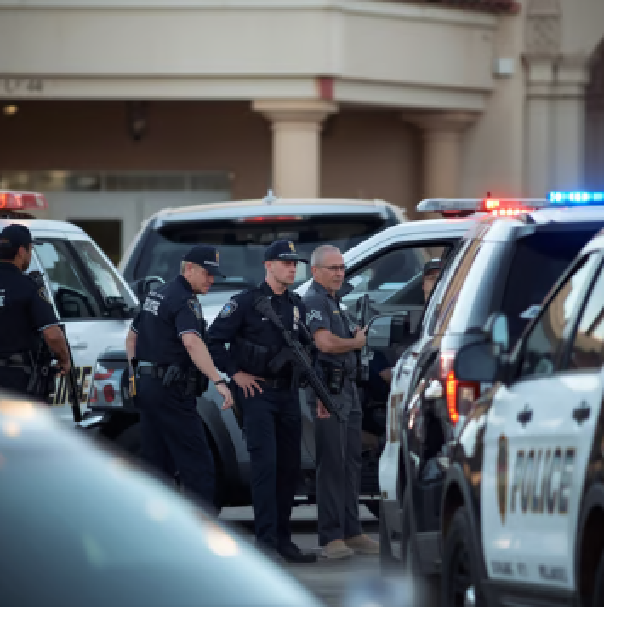
The Coweta operation targeted online predators through a carefully planned sting operation (Wagoner County District Attorney, 2025). Seven people were arrested, including three business owners and a federal agent—showing that trafficking networks often involve people with important community positions. The operation took place at two hotels in Coweta, where law enforcement safely arrested suspects while protecting potential victims. Wagoner County District Attorney Jack Thorp, who led the prosecution effort, was shocked by how many people responded to the sting, calling human trafficking “one of the worst crimes” (KRMG, 2025). The operation used advanced intelligence gathering to track suspects’ online activities and confirm their identities before making arrests. This approach reduced the risk of arresting innocent people while ensuring that real perpetrators couldn’t escape. Two victims were rescued during the Coweta operation and immediately connected with counseling and support services. The focus on victim care alongside law enforcement shows how modern anti-trafficking efforts prioritize helping survivors rebuild their lives.
While arrests were happening in Coweta, Skull Games was running a training course for law enforcement in Shawnee (Skull Games, 2025). This wasn’t just classroom learning—officers learned about recognizing trafficking signs, investigating digital crimes, and how to interview trauma survivors without causing more harm. As soon as the training ended, participants put their new skills to work in a real operation. This hands-on approach gave officers valuable experience while helping catch actual criminals. The Shawnee operation resulted in arrests of two predators and one sex trafficker, plus the rescue of one victim and identification of another person who needed help. The timing wasn’t accidental—it showed careful planning that maximized resources and training opportunities. Officers could immediately apply what they learned, making the training more effective and memorable. This approach of combining education with real-world practice could be a model for law enforcement training programs across the country. applying newly acquired skills and knowledge in real-world circumstances that reinforced learning outcomes through practical application. This seamless integration of training and operations provides law enforcement personnel with invaluable hands-on experience while contributing to immediate public safety outcomes. The Shawnee operation resulted in two predator arrests, one sex trafficker arrest, and the recovery of one victim, with an additional victim identified for future intervention services. The timing of these simultaneous activities demonstrates sophisticated operational planning that maximizes resource utilization while providing comprehensive training and enforcement outcomes.
These operations worked because multiple agencies cooperated instead of working alone (Oklahoma Coalition Against Human Trafficking, 2025). District 27 covers four counties in Oklahoma and has built special capabilities for handling trafficking cases. The Oklahoma Attorney General’s Human Trafficking Response Unit provided legal support and coordination. Local police, county sheriffs, state task forces, and federal investigators all contributed people and resources. This teamwork allowed agencies to share expertise and cover more ground than any single department could manage. Nonprofit organizations like Skull Games added technical skills that complemented traditional police work. Community partners provided essential victim services, ensuring that enforcement was paired with comprehensive care programs. This collaborative approach addresses trafficking as the complex problem it is, requiring multiple types of expertise and resources. By working together, agencies can tackle cases that cross city and county lines, which is common in trafficking operations. The model shows how effective law enforcement can be when different organizations combine their strengths.
These operations used cutting-edge technology to catch modern traffickers who increasingly rely on digital platforms (HSToday, 2025). Investigators used open source intelligence—analyzing publicly available information from social media, websites, and online ads—to build detailed profiles of suspects. They tracked patterns in online behavior to understand when and where traffickers operate. Digital investigation tools helped them process large amounts of data to find connections between different suspects and operations. These technological approaches are crucial because traffickers now use apps, websites, and social media to find victims and customers. Traditional investigation methods alone aren’t enough to catch criminals who operate primarily online. The combination of high-tech analysis with traditional police work creates a comprehensive approach that addresses both digital and physical aspects of trafficking. Advanced data analysis helps investigators spot patterns that might be invisible when looking at individual cases. This technology-enhanced approach gives law enforcement powerful tools to fight sophisticated criminal networks that operate across multiple states and platforms.
Both operations put victims first, which represents the best current thinking about how to handle trafficking cases (Oklahoma Coalition Against Human Trafficking, 2025). Three victims were rescued across both operations and immediately connected with comprehensive support services. This approach recognizes that trafficking survivors need extensive help to overcome trauma and rebuild their lives. Services include safe housing, medical care, mental health counseling, legal assistance, and job training. Victims often need months or years of support to recover from their experiences. The immediate connection with services during these operations shows the importance of having help ready before arrests happen. This victim-centered approach also improves prosecution success because survivors who receive proper support are more likely to cooperate with law enforcement. Trauma-informed care ensures that interactions with victims don’t cause additional harm. The goal is helping survivors heal and regain control of their lives, not just using them as witnesses in criminal cases. This comprehensive approach treats trafficking survivors as whole people who deserve dignity and support, not just sources of evidence for prosecutions.
The variety of people arrested in these operations reveals how trafficking networks operate in unexpected places (BA Sentinel, 2025). Three business owners were arrested in Coweta, showing that trafficking often involves people with community standing and financial resources. The federal agent arrest was particularly concerning, as it suggests trafficking networks may have infiltrated law enforcement and government agencies. These arrests challenge common assumptions about who participates in trafficking and highlight the need for thorough background checks for people in positions of trust. The diversity of suspects also shows that trafficking networks often involve multiple people with different roles and resources. Some provide money, others provide locations, and still others handle day-to-day operations. The professional status of many suspects can complicate prosecutions because they often have access to better lawyers and community support. Understanding who participates in trafficking is important for developing prevention strategies and identifying potential warning signs in professional settings. The fact that respected community members were involved shows how trafficking can hide in plain sight, protected by social status and professional reputation.
Oklahoma has built strong infrastructure to support anti-trafficking efforts, which made these operations possible (Oklahoma Attorney General, 2025). The Oklahoma Coalition Against Human Trafficking brings together over 50 agencies across the state to coordinate prevention, protection, prosecution, and partnerships. The state’s Human Trafficking Response Unit provides specialized legal expertise and coordination. Oklahoma has strengthened its laws with increased penalties for trafficking offenses and better victim protection measures. The Tornado Alley Child Exploitation and Trafficking Task Force provides federal coordination and resources for cases that cross state lines. Training programs offered through partnerships between state agencies, nonprofits, and schools ensure that law enforcement and service providers have the skills they need. The state also collects data to understand trafficking trends and evaluate how well programs are working. This comprehensive approach means that individual operations like those in Coweta and Shawnee are supported by broader systems that can sustain long-term anti-trafficking efforts. Having strong infrastructure in place allows for quick response when opportunities arise and ensures that successful operations can be repeated and improved.
These Oklahoma operations offer important lessons for anti-trafficking efforts nationwide (Interstate Justice Coalition, 2025). The successful partnership between nonprofits and law enforcement shows how different organizations can combine their strengths to tackle complex problems. Conducting training and operations simultaneously provides a model for building local skills while achieving immediate results. The focus on victim care alongside arrests demonstrates how enforcement can prioritize survivor welfare while still being effective. The technology used in these operations may help other jurisdictions understand how to investigate modern trafficking networks. The coordination between multiple agencies shows effective strategies for addressing crimes that cross traditional boundaries. Community involvement suggests ways to build broader public engagement in anti-trafficking efforts beyond just law enforcement responses. These operations also highlight ongoing challenges, including the need for sustained funding, continued technology improvements, and ongoing training. The success in Oklahoma shows what’s possible when agencies work together with adequate resources and planning. Other states and communities can learn from this model to develop their own comprehensive anti-trafficking strategies that combine enforcement, victim services, and community engagement.
References
Dobberstein, J. (2025, May 31). Several arrested in Coweta human trafficking operation. BA Sentinel. https://basentinel.com/several-arrested-in-coweta-human-trafficking-operation/
HSToday. (2025, May 7). Human trafficking victim rescued, 4 arrested in multi-agency operation in Durant, Oklahoma. Homeland Security Today. https://www.hstoday.us/subject-matter-areas/human-trafficking/human-trafficking-victim-rescued-4-arrested-in-multi-agency-operation-in-durant-oklahoma/
Interstate Justice Coalition. (2025, July 28). Our Rescue™ announces the formation of “Interstate Justice Coalition” with Skull Games Solutions and We Fight Monsters. PR Newswire. https://www.prnewswire.com/news-releases/our-rescue-announces-the-formation-of-interstate-justice-coalition-with-skull-games-solutions-and-we-fight-monsters-to-power-multi-state-domestic-surge-operations-team-to-combat-trafficking-302514876.html
KRMG. (2025, June 3). Wagoner County DA discusses Coweta sex trafficking sting that resulted in 7 arrests. 102.3 KRMG. https://www.krmg.com/news/local/wagoner-county-da-discusses-coweta-sex-trafficking-sting-that-resulted-7-arrests/KUMOKBHPYRGPPPPBYCUKCKWREE/
Oklahoma Attorney General. (2025, April 28). Oklahoma Attorney General’s Office hosts human trafficking prevention event. Oklahoma.gov. https://oklahoma.gov/oag/news/newsroom/2025/april/attorney-generals-office-hosts-human-trafficking-prevention-event.html
Oklahoma Coalition Against Human Trafficking. (2025). Home – Oklahoma Coalition Against Human Trafficking (OCAT). OCAT Oklahoma. https://ocatoklahoma.org/
Skull Games. (2025, March). Skullery blog – March 2025. Skull Games. https://skullgames.org/blog/skullery-blog-march-2025/
The Intercept. (2023, July 29). Skull Games: Evangelicals use surveillance against sex workers. The Intercept. https://theintercept.com/2023/07/29/skull-games-surveillance-sex-workers/
Wagoner County District Attorney. (2025). [Press release regarding human trafficking operations]. Wagoner County, Oklahoma.