
Follow Your Passions
One of the key attributes of a polymath is cultivating a curious mind with the ability to follow their passions. Following your passions means pursuing the things that you are most interested in, and that bring you the greatest sense of fulfillment and purpose. By following their passions, polymaths can develop their creative and innovative skills, learning to generate new insights and solutions to complex problems.
Polymaths are individuals who possess a wide range of knowledge and expertise across multiple disciplines. They are often characterized by their intellectual curiosity, their passion for learning, and their ability to apply their knowledge to solve complex problems and create innovative solutions.
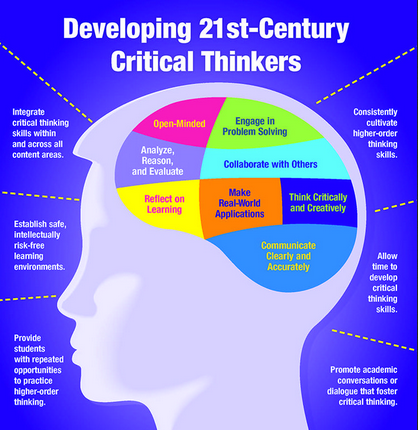
Following your passions is also a crucial component of critical thinking, which is the process of evaluating information and arguments in a systematic and objective manner. By following their passions, individuals can develop their analytical and critical thinking skills, learning to distinguish between fact and opinion, to identify logical fallacies and biases, and to apply evidence-based criteria to assess the validity and reliability of arguments.
Moreover, following your passions can help individuals to develop a deeper understanding of a particular subject or topic. By pursuing their interests, polymaths can gain a deeper understanding of complex issues and ideas, and develop a more nuanced perspective on the world.
Following your passions can also help individuals to develop their resilience and adaptability skills. By pursuing their interests, polymaths can learn to navigate setbacks and challenges, and to respond to new opportunities and obstacles with creativity and flexibility.
In addition, following your passions can help individuals to find meaning and purpose in their work and their lives. By pursuing the things that they are most passionate about, polymaths can experience a sense of fulfillment and satisfaction, and contribute their unique talents and skills to the world.
In Summary
Following your passions is a key component of polymathy and critical thinking. By cultivating a passion-driven approach to learning and problem-solving, individuals can enhance their ability to analyze and evaluate information, develop a deeper understanding of complex issues and ideas, and generate innovative solutions to complex problems. For those who aspire to become polymaths or to cultivate critical thinking skills, following your passions is a crucial habit to develop.
#infobymattcole
 You can check out Matt’s LinkedIn account, Youtube Channel, or Podcast.
Introducing my new books, ‘The Art of Critical Thinking’ and ‘The Critical Thinking Model’. Both can be read for free with Kindle Unlimited or $2.99 each via Kindle.