Navigating the Ethical Landscape: Designing AI Solutions for High School Computer Science
—
The rapid integration of Artificial Intelligence (AI) into nearly every facet of modern life demands a generation equipped to not only use AI, but also to thoughtfully design it. Oklahoma’s Academic Standard L1.ET.AI.02 – Explore, select, and use appropriate AI tools and frameworks to design and implement AI solutions – directly addresses this need, pushing students beyond simple consumption of AI to active creation with ethical considerations at the forefront. This standard isn’t just about coding; it’s about understanding the implications of our digital creations and building AI that serves humanity effectively and equitably. Students are challenged to move past simply accepting AI as a “black box” and instead delve into its inner workings, considering how design choices impact outcomes and potential biases. The goal is to foster critical thinking and responsible innovation in the burgeoning field of artificial intelligence, preparing students for future careers and informed citizenship.
The exploration phase of this standard requires students to become familiar with a diverse range of AI tools and frameworks, moving beyond popular applications like Siri or Alexa to understand the underlying technologies powering them. This includes delving into machine learning algorithms, neural networks, and different programming languages commonly used in AI development such as Python, which is often favored for its readability and extensive libraries. Students should investigate how these tools are applied across various domains – from image recognition and natural language processing to predictive modeling and robotics – understanding the strengths and weaknesses of each approach. A crucial component of this exploration involves recognizing that no single tool is universally “best”; the optimal choice depends heavily on the specific problem being addressed and the desired outcome, requiring students to develop a discerning eye for effective implementation. This foundational knowledge sets the stage for more complex design challenges later in the unit.
Want a free Oklahoma CS lesson?
Selecting the appropriate AI tools and frameworks requires students to consider several key factors beyond just functionality; they must also evaluate cost-effectiveness, scalability, ease of use, and integration with existing systems. For example, a simple image classification task might be effectively handled by a pre-trained model available through Google’s TensorFlow Hub, while a more complex natural language processing project could benefit from the flexibility of PyTorch. Students need to learn how to weigh these considerations based on the specific constraints of their design challenge and justify their choices with reasoned arguments. This selection process isn’t merely technical; it also involves understanding the data requirements of each tool – what kind of data is needed, how much data is needed, and how clean that data needs to be for optimal performance. A well-chosen framework can significantly streamline the development process and improve the overall quality of the AI solution.
The implementation phase of L1.ET.AI.02 truly brings the standard to life, challenging students to apply their chosen tools and frameworks to design and build a functional AI solution. This could take many forms – from developing an AI-powered chatbot to creating a system that predicts student performance based on historical data or even designing an algorithm for autonomous navigation. The key is that students aren’t just passively using the tool; they are actively shaping its behavior through coding, training, and testing. They need to learn how to effectively manage datasets, train their models, and evaluate their performance using appropriate metrics like accuracy, precision, and recall. This hands-on experience solidifies their understanding of AI concepts and develops valuable problem-solving skills applicable across various disciplines.
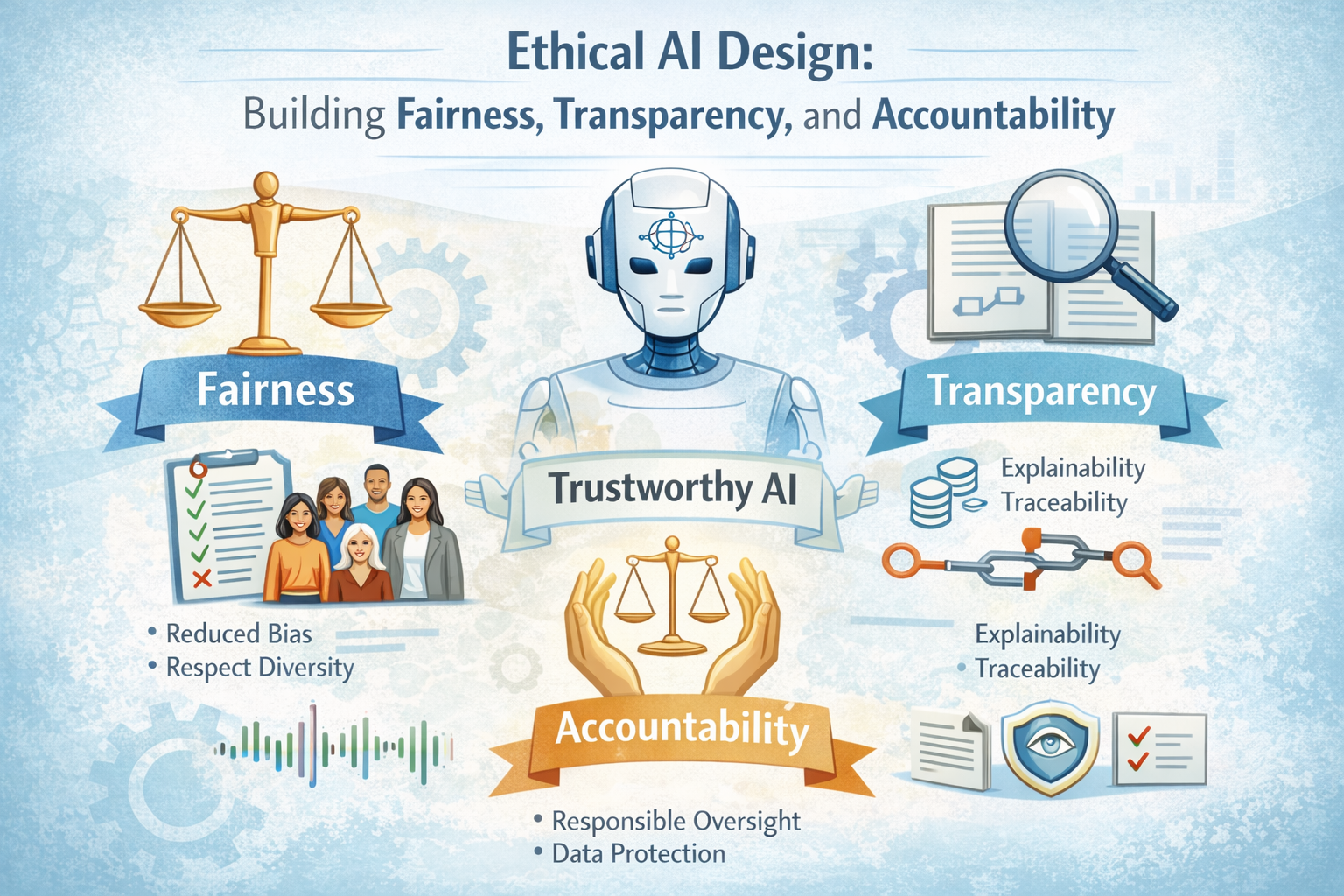
Crucially, the ethical dimension is woven throughout the entire design process, ensuring students consider potential biases, fairness concerns, and societal impacts of their AI solutions. Students should explore questions like: Who benefits from this AI? Who might be disadvantaged? What data is being used, and how representative is it? How could unintended consequences arise? This requires moving beyond technical proficiency to embrace a more holistic perspective, recognizing that AI isn’t neutral; it reflects the values and assumptions of its creators. Incorporating ethical considerations early on can help mitigate potential problems and ensure the AI solution aligns with broader societal goals. This also encourages students to think about explainability – how easily can we understand why an AI made a particular decision?
A fantastic resource for implementing this standard is the High School Computer Science: Ethical AI Design Unit available on Teachers Pay Teachers (Resource). This unit provides a comprehensive framework for exploring AI ethics, with engaging activities and real-world examples that help students understand the complexities of designing responsible AI. The unit’s focus on ethical considerations is particularly strong, prompting students to analyze potential biases in datasets and design solutions that promote fairness and inclusivity. It offers a structured approach to implementing L1.ET.AI.02, making it accessible for both experienced computer science teachers and those new to the field of AI education. The unit also provides opportunities for student collaboration and project-based learning, fostering deeper understanding and engagement.
Ultimately, Oklahoma’s standard L1.ET.AI.02 aims to cultivate a generation of AI designers who are not only technically proficient but also ethically aware and socially responsible. By exploring, selecting, and implementing appropriate AI tools with an eye towards fairness, transparency, and impact, students will be well-prepared to shape the future of artificial intelligence and harness its power for good. This standard isn’t just about preparing students for careers in computer science; it’s about equipping them with essential skills for navigating a world increasingly shaped by intelligent machines, ensuring they can contribute meaningfully to an AI-driven society. The ability to critically evaluate and thoughtfully design AI solutions will be invaluable across numerous fields, from healthcare and education to business and government.
For a full resource on all Oklahoma Academic Standards involving AI: [Resource]