
Dethroning the Queen of Heaven: Unmasking the Ancient Principality Behind Modern Spiritual Warfare
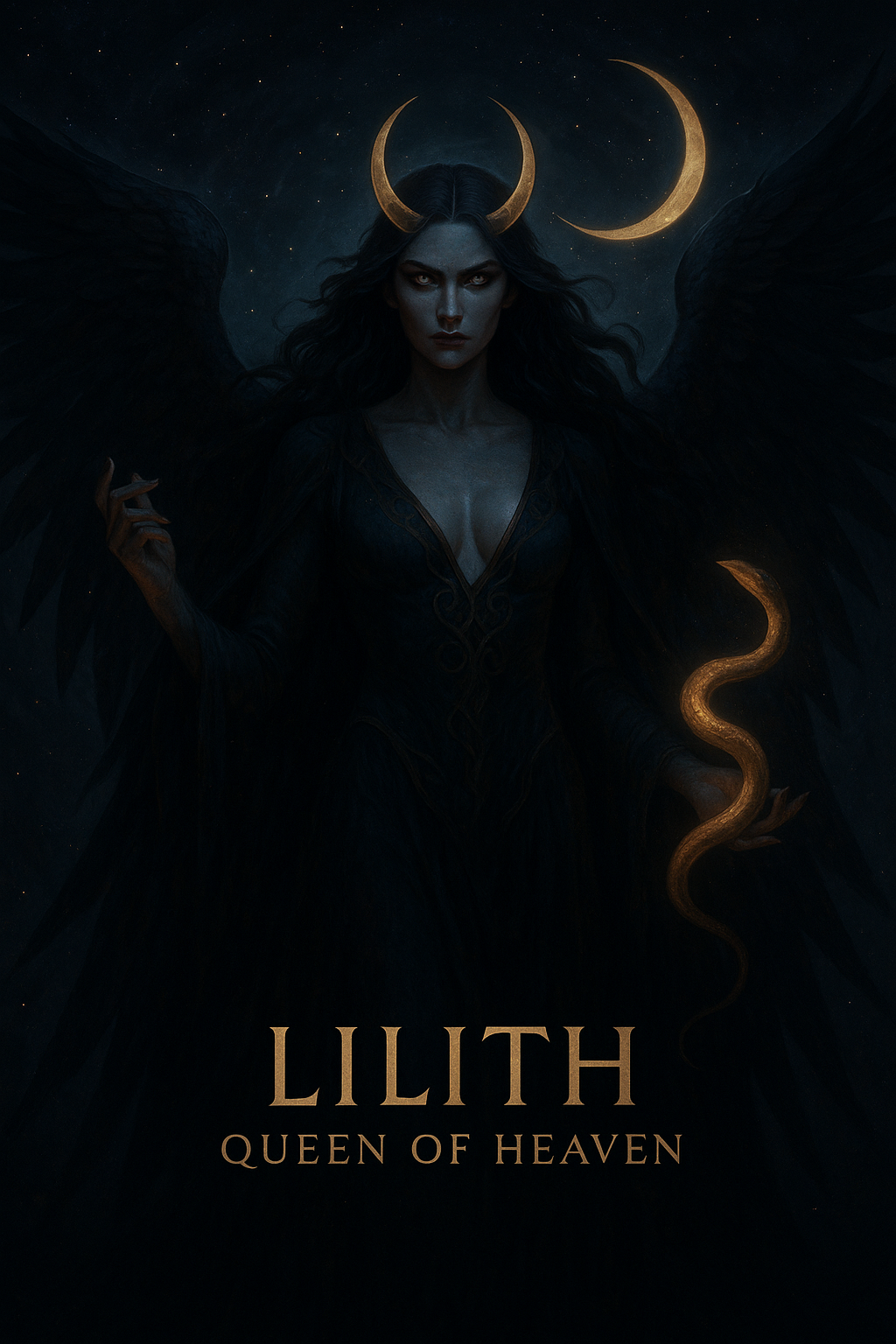
The spiritual realm, as described in Ephesians 6:12, is a very real battleground where believers contend not against flesh and blood, but against powerful principalities, powers, and rulers of darkness. One of the most pervasive and ancient of these dark forces is a entity biblically identified as the “Queen of Heaven.” This title, often mistakenly associated with the Virgin Mary by the uninformed, actually refers to a sinister, bloodthirsty principality with roots deep in ancient Babylonian occultism. Its influence has woven itself through human history, manifesting in different cultures under various names like Ishtar, Isis, Hathor, and Lilith, yet its core mission remains unchanged: to deceive, enslave, and annihilate God’s people through idolatry and spiritual oppression. Understanding this enemy is not a matter of niche theological interest but a critical component of modern spiritual warfare for every believer. The ongoing battle against this darkness is not a new phenomenon but the escalation of an ancient conflict nearing its culmination. This article will delve into the origins, manifestations, and strategies for defeating this ancient foe through the authority of Jesus Christ.
The biblical foundation for this principality is starkly revealed in the book of Jeremiah. During a time of profound rebellion, the prophet Jeremiah confronted the Israelites who had fled to Egypt, warning them of God’s judgment for their idolatry. Their defiant response is chillingly recorded in Jeremiah 44:15-19 (Amplified Bible): “Then all the men… answered Jeremiah, saying, ‘As for the word (message) that you have spoken to us in the name of the Lord, we are not going to listen to you! But rather we will certainly perform every word of the vows we have made: to burn sacrifices to the queen of heaven and to pour out drink offerings to her.'” The text explicitly notes that “queen of heaven” refers to Ishtar, a primary manifestation of this Babylonian goddess. This passage reveals a spirit so powerful that it can cause people to openly and knowingly reject the word of the Lord, choosing instead to pledge allegiance to a demonic power that promises false provision and security.
The Hebrew language used in these scriptures unveils the true nature of this entity. The word translated as “queen” is malkah, which denotes a female ruler or governmental head of a kingdom. This term stems from the Hebrew root malak, which means to reign or, more tellingly, to descend to the throne. This is not merely a folk deity but an ancient, high-ranking principality—an arche, as described in New Testament Greek—that seeks to establish its throne over nations and cultures. This spirit originated in ancient Babylon and was worshiped in myriad forms across Mesopotamia, Egypt, Greece, and Rome. In fact, ancient Babylonian culture and modern occult practitioners often state that Babylon and the Queen of Heaven are one and the same, a connection that sheds profound light on the call in Revelation 18:4 to “Come out of her, my people,” which is a direct call to separate from this Babylonian system of idolatry.
Throughout history, this principality has adeptly morphed its appearance to integrate with local cultures while maintaining its core destructive attributes. In ancient Egypt, it manifested as Hathor (and the related Sekhmet and Bastet), a goddess often depicted as a cow or with cow-like features, which provides a disturbing link to the golden calf incident in Exodus 32. The serpent (uraeus) on Pharaoh’s crown was a composite symbol of Hathor, Sekhmet, and Bastet, representing the divine authority he derived from this dark power. In Ephesus, it was worshiped as Artemis or Diana, whose temple was one of the Seven Wonders of the Ancient World. Other key manifestations include the violent Isis of Egypt, the Mesopotamian Ishtar, the Anatolian Cybele, and in modern times, Santa Muerte (Saint Death) in Latin America. Each iteration demands worship, promises power, and is profoundly bloodthirsty.
The operational strategies of this spirit are consistently dark and manipulative. It establishes a stronghold over a geographic region through repeated human sin, bloodshed, occult practices, and broken covenants. As people partner with it through worship, ritual, and perversion, it gains legal rights to blind them and hold the territory in spiritual bondage. This makes it difficult for people to hear and receive the truth of the Gospel, as seen in Jeremiah’s day. The spirit often works through deception, presenting itself as a benevolent “divine feminine” or even masquerading as the Holy Spirit to the undiscerning. However, its true nature is revealed in its goals: to kill, steal, and destroy. It is deeply anti-Semitic and anti-Christian, seeking the annihilation of God’s chosen people, both biological Israel and the Church.
Engaging in spiritual warfare against such a high-level principality requires more than casual prayer; it demands strategic, obedient action grounded in the authority of Jesus Christ. As Becca Greenwood’s ministry exemplifies, this often involves “on-site” intercession—traveling to specific geographical strongholds to pray and break the enemy’s legal rights. Proximity holds power; by bringing the presence of the Holy Spirit and the authority of Jesus directly to locations where ancient altars have been erected or where worship is actively happening, believers can enact powerful breakthroughs. This is modeled in the Bible when Jesus and the apostles confronted darkness directly in specific places, such as the Gerasene demoniac or the slave girl in Philippi. This warfare is not about personal strength but about receiving assignments from God and executing them from a place of victory in Christ.
Personal testimonies from the front lines of this warfare provide compelling evidence of its reality and the victory available to believers. Greenwood recounts a harrowing experience while praying at a known occult site for Lilith worship in Indiana. As the team prayed, they audibly heard footsteps approaching—the sound of sticks cracking on the path behind them. A menacing presence stopped directly behind them in an act of intimidation, which they discerned to be the manifestation of Lilith. Standing on their authority in Christ, they continued to pray, bound the spirit, and broke its power over the region. Subsequently, they beheaded a large black serpent found in the rafters, a symbol directly tied to Lilith. In the following months, the region saw a significant drop in youth suicide and deaths, and many began to come out of occult practices and into salvation.
For those feeling overwhelmed by this spiritual reality, the answer is not fear but a confident return to the victorious power of Jesus Christ. The same Spirit that raised Christ from the dead lives in every believer (Romans 8:11), providing all the authority needed to resist the enemy. This begins with personal repentance, renouncing any personal or generational involvement with occult practices, Freemasonry, Eastern religions, or any form of idolatry. It involves putting on the full armor of God daily and living a life filled with the Holy Spirit. The call is to be wise to the enemy’s schemes while remaining steadfast in the love and truth of Christ, who alone has the power to set the captives free and dethrone every ancient power that sets itself against the knowledge of God.