
What Exactly is Root Cause Analysis?
The term Root Cause Analysis (RCA) is used a lot within the confines of Information Technology (IT). But what is it exactly?
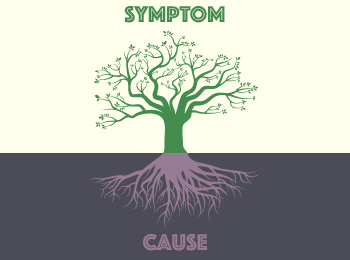
By definition Root Cause Analysis (RCA) is a problem-solving method which is used to pinpoint the exact cause of a problem or event. This method finds the true or actual cause of the specific problem(s). The purpose is to identify the real issue, rather than the symptoms. This is a reactive method, rather than proactive.
Normally, an issue arises. The RCA identifies the issue, getting to the heart of the problem. Once properly identified, steps to remediate the issue are taken.
I have three links throughout this article with free templates you can download and use.
RCA Methods
The methods used are dependent on the system or environment. However, most agree in five phases or processes. The last two are applying the remedy and ensuring the fix has eliminated the root cause.
- Describe the problem your company is looking at
- Gather data associated with the problem
- Identify potential causes for the problem
- Identify which causes you will remove or change in order to prevent repeat problems
- Identify solutions that will be effective in preventing repeat problems
- Implement changes
- Observe changes to ensure that they have effectively eliminated the problem

While most associate RCA with technology, these same processes can be applied to other areas of life. RCA is not limited to programs or processes. Rather, there are true issues effecting individuals and groups. Many times the symptoms are addressed, but the root cause is ignored.
Culture
The aspects of culture; settings, values, customs, and lifestyle are riddled with issues. The root cause may be ignored or perhaps viewed as a sacred cow, unwilling to be addressed.
When we attend to the symptom and ignore the root cause, the real issue will never be resolved.

Social
The term social is the interaction taking place between individuals or people groups. All aspects of life are touched socially; work, home, religion, school, politics, are just a few.
When you have more than one individual comparing, there will always be differences identified.
Tips For Root Cause Analysis
In general, a solid template is used within an organization. This provides standardization, and can be read by all with the same expectations.
While the template is not set in stone, it should cover all aspects and be agreed upon by the company. You can use this same method in your life. In fact, I am unsure why we are not using this same logical thinking, when it comes to are social or cultural issues. You will note these are parallel with the methods identified earlier.
- Title / Problem Statement
- Data / Evidence Collection
- Cause Identification
- Cause and Effect
- Solution to the Real Issue
- Corrective Action Plan
- Implement Action Plan
- Monitor the Implemented Action Plan

I also highly suggest cataloging these RCAs for later use. While the exact root cause may not reoccur, the documentation can save time later on.
You can download a free more comprehensive RCA template from here
Matt Cole has high regard for knowledge share. He has a desire to share critical thinking and information. With a Masters in Information Technology and a wide array of certifications, while not working full-time, he wishes to knowledge share through providing insight, information organization, and critical thinking skills.
#KnowledgeShare | Matt Cole | #infobyMattCole