What Type of ClutterBug Are You?
I came across a show on HGTV titled ‘Hot Mess House’ commenting on a term, Clutterbuck. Thus far, I have only been able to see four episodes. Any type of organizing shows, tips, methods intrigue me. I was thinking this was no different. However, what was different, after looking her up is the free quiz she offers.
What type of clutter bug are you?
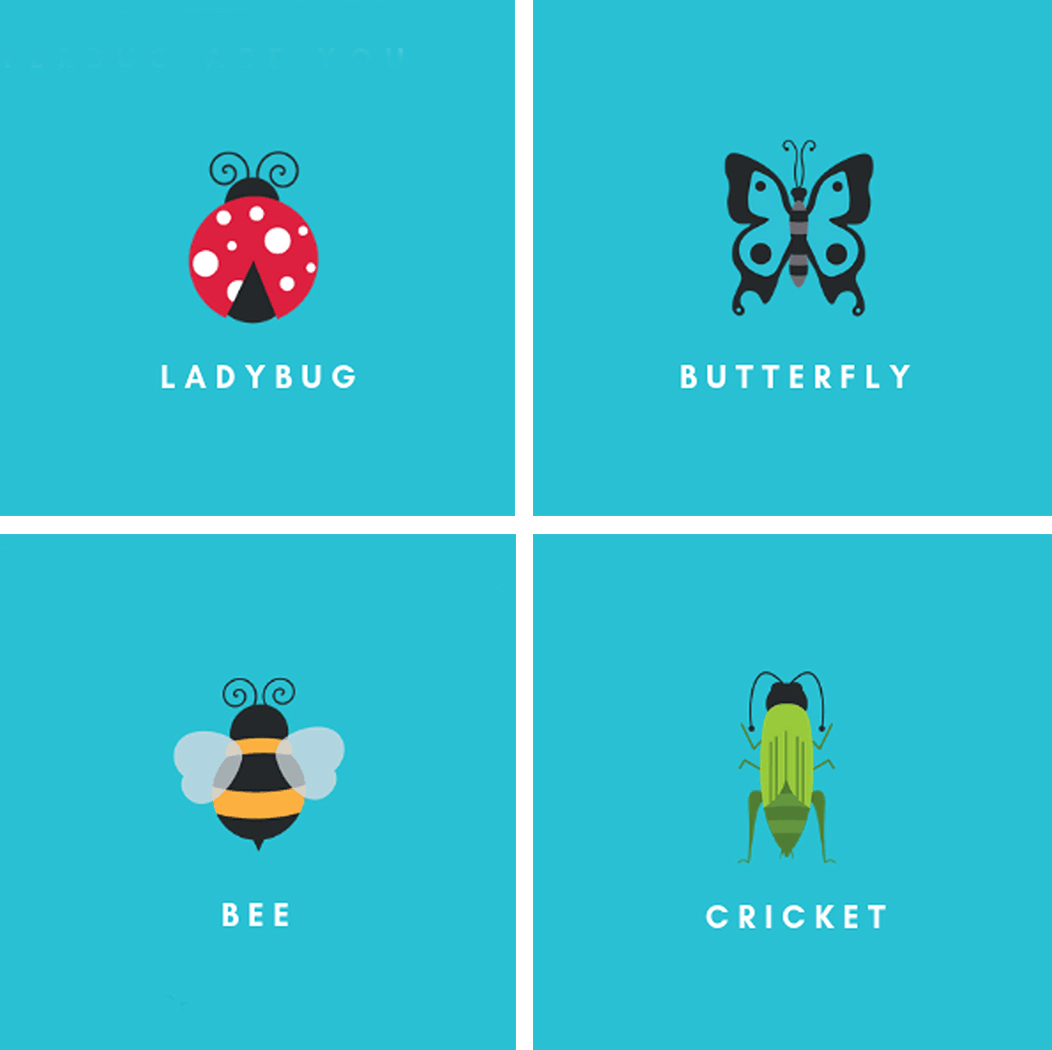
The quiz through your own answers categorizes one of four types of clutter bugs; bee, ladybug, cricket, and butterfly. Cass uses the Clutterbug terminology to classify you into one of four categories. You can have different percentages of value in each category. The goal is to find a higher percentage to help identify your category. Or identify you as a specific clutter bug.
Depending on which category you fall in, there is a slew of suggestions, Pinterest boards, and content to help you get organized based on your organizational and personalized style.
I had our family take it, four of us. Not too surprising each one of us fell in a different category. No wonder we can’t seem to get on the same page in the organization.
Contact me for more information.
The quiz, admittedly, is accurate. She does convey, not all of us are 100 percent in one category. I found myself aligned with the category I fell in, as well as did each family member. identifying the style, led me to review other similar organizers types, and it has helped me understand each of my family members’ preferences.
Interestingly, her free download (with your provided email) offers suggestions on how to work with those in the family having separate categories. Something I am trying to do with my wife.
You can check out Cass here. There you can find the quiz, if you do take it, I am curious to find out where you fell in.
I think some of these ‘quizzes’ are useful in understanding not only how you think and behave, but more importantly, provides the content to help you get better. By simply taking the test, my wife and I were able to review and see how each other prefers organization.
This allowed a healthy conversation and insight, which will also aid in understanding and working together.
Personally, I am a Bee and my wife is a LadyBug. Wish me luck in cohabitating in the organization.

Matt Cole has high regard for knowledge share. He has a desire to share critical thinking and information. With a Masters in Information Technology and a wide array of certifications, while not working full-time, he wishes to knowledge share through providing insight, information organization, and critical thinking skills.
#KnowledgeShare | Matt Cole | #infobyMattCole