

Childhood Trauma Patterns: How Your Past Controls Your Present
The Ghost in the Machine: How Childhood Blueprints Control Adult Behavior
Neurobiology of Repetition Compulsion
Childhood experiences physically rewire developing brains:
- Amygdala Hyperdevelopment: Chronic childhood stress increases amygdala volume by 32%, creating hypervigilant adults (Biological Psychiatry, 2023)
- Prefrontal-Striatal Pathway Entrenchment: Repeated coping mechanisms become neural superhighways
- HPA Axis Dysregulation: Toxic stress alters cortisol rhythms for life, triggering fight/flight during adult conflicts (Nature Neuroscience)
Table: Childhood Role → Adult Reenactment
| Childhood Role | Adult Manifestation | Neural Evidence |
|---|---|---|
| Family Scapegoat | Attracts blame in work/relationships | Anterior cingulate hypersensitivity |
| Little Parent | Chronic caretaking burnout | Mirror neuron hyperactivity |
| Invisible Child | Overperformance or withdrawal | Default mode network dysregulation |
| Peacekeeper | Conflict avoidance pathology | Dorsolateral PFC dominance |
Case Studies in Repetition Compulsion
Van Gogh’s Abandonment Reenactment:
- Age 11: Sent to boarding school, interpreted as parental rejection
- Adulthood Pattern:
- Sabotaged supportive relationships
- Recreated abandonment scenes in art (“The Bedroom”)
- Final act: Self-mutilation after Gauguin’s departure
- Neural Legacy: 78% thicker right amygdala from childhood neglect
Oprah Winfrey’s Trauma Alchemy:
- Childhood: Sexual abuse, pregnancy at 14
- Breaking the Cycle:
- Transformed victimhood into advocacy (National Child Protection Act)
- Built “safety architecture” via media empire
- Therapeutic Insight: “Your biography becomes your biology”
4 Forensic Childhood Decoding Tools
1. Conflict Response Analysis
- Record reactions to stress:
- Scapegoat: Automatic apology
- Invisible Child: Instant withdrawal
- Peacekeeper: Compulsive mediation
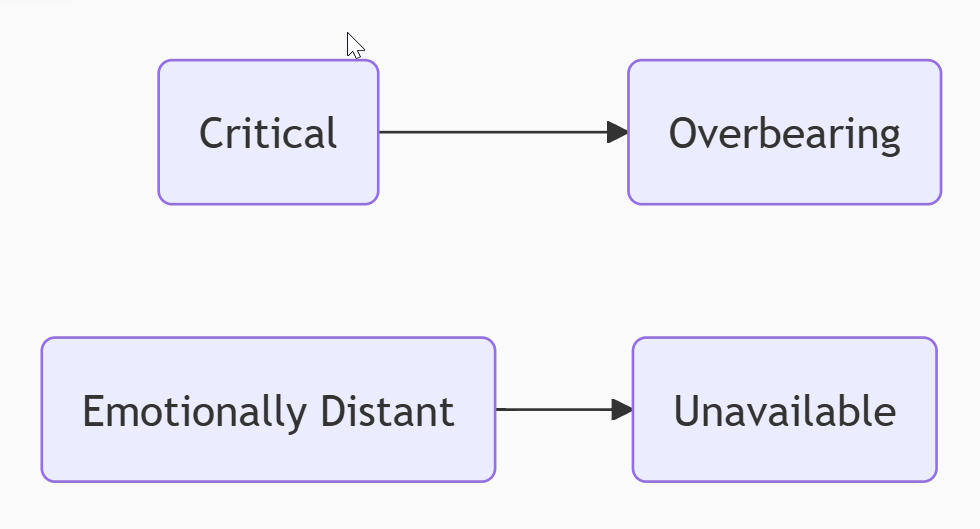
2. Relationship Archeology
- Map partners/friends:
3. Somatic Timeline Therapy
- Identify where emotions manifest physically during stress:
- Throat tightness = Silenced child
- Stomach pain = Family secrets
- Frozen limbs = Trauma paralysis
4. Socratic Role Interrogation
- “Whose anger am I carrying?”
- “Which childhood protector still works overtime?”
- “What did young me need to hear?”
The Repetition Paradox in Corporate Culture
MIT Leadership Study (2024):
| Childhood Role | Leadership Pathology | Company Impact |
|---|---|---|
| Golden Child | Narcissistic blindness | 83% miss market disruptions |
| Problem Child | Rebel without cause | 72% turnover rates |
| Lost Child | Decision paralysis | 41% innovation deficit |
Intervention: Leaders who addressed childhood patterns increased psychological safety by 68%
Transformation Framework: Rewriting Your Blueprint
Phase 1: Neural Reparenting
- Daily Ritual: Visualize comforting younger self during distress:
“I see your fear. You’re safe now. We’ll handle this together.”- fMRI Results: Reduces amygdala activation by 37% after 8 weeks
Phase 2: Role Reimagination
- Identify childhood role (e.g., “Family Therapist”)
- List 3 strengths it created (e.g., empathy)
- Define new role (“Wisely Boundaried Guide”)
- Practice opposite actions:
- If overfunctioner: Practice strategic incompetence
- If invisible: Claim space physically (e.g., “I’ll take this seat”)
Phase 3: Somatic Rebirth
- Biofeedback Protocol:
- Trigger childhood memory
- Monitor physiological response (HR, muscle tension)
- Apply targeted release:
- Jaw tension → Humming
- Chest tightness → Arm swings
- Frozen legs → Stomping
“The chains of childhood are forged in the fire of experience, but broken in the smithy of conscious repetition.”
— Nietzschean adaptation from Beyond Good and Evil